
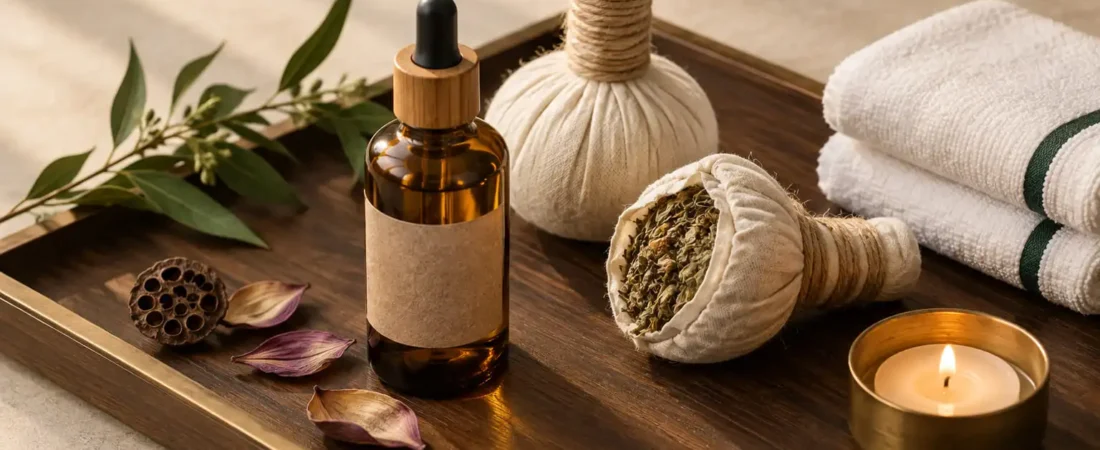
Herbal compress therapy is one of the most distinctive treatments in traditional Thai wellness practice, combining warmth, fragrant herbs, and a steady, rhythmic technique that sets it apart from other massage styles. The gentle pressing and rolling motion of a heated compress can feel deeply soothing, both physically and mentally. In this guide, we’ll walk through what herbal compress therapy actually is, how its rhythm and heat work together, and what you can expect if you’re trying it for the first time.
What Is Herbal Compress Therapy?
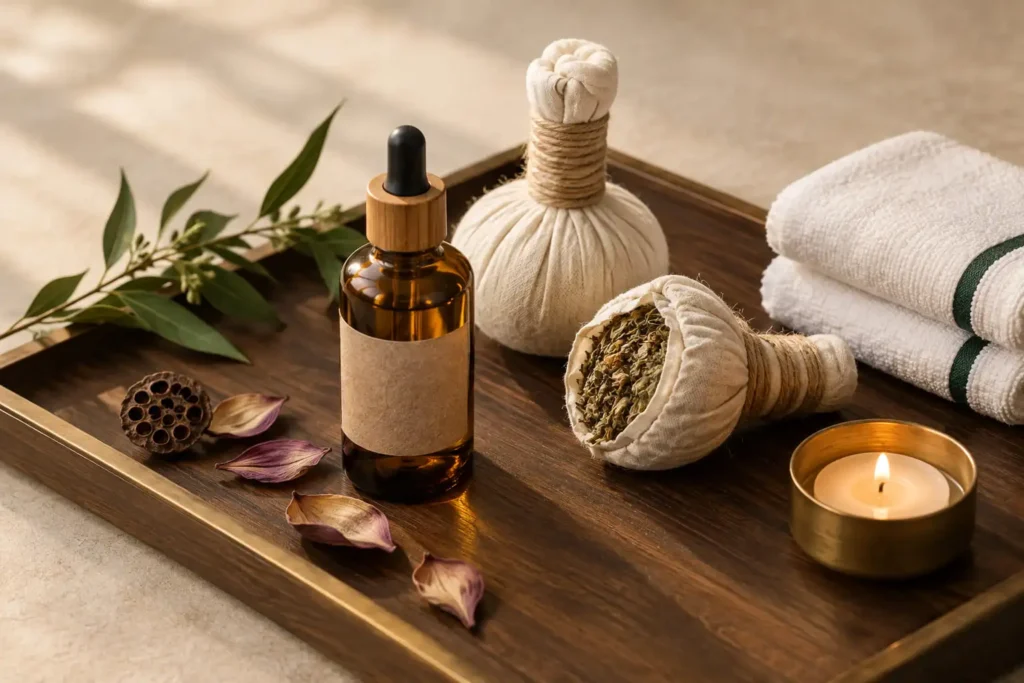
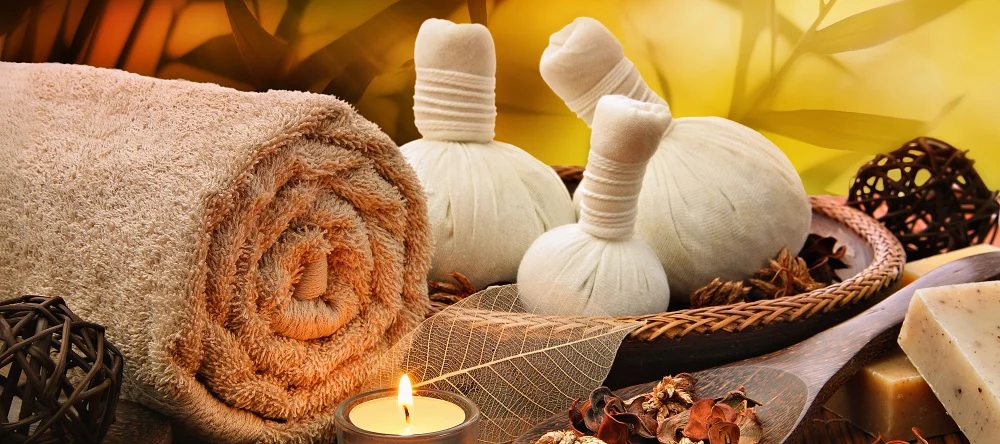
Herbal compress therapy is a traditional treatment that uses a heated bundle of herbs, wrapped tightly in cloth, to warm and soothe the body through a combination of heat, pressure, and rhythmic movement. It’s often used alongside massage, though it can also be offered as a standalone treatment for relaxation and muscle comfort.
Origins of Herbal Compress Therapy
This style of treatment has roots in traditional Thai healing practices, where heated herbal bundles were used as part of daily wellness routines long before modern spas adopted the technique. Herbs were selected based on their aroma and warming properties, and the compress itself was designed to be reheated and reused throughout a single treatment. Over generations, the method was refined and passed down, eventually becoming a signature element of traditional Thai massage and wellness therapy as it’s known today.
What Is Inside an Herbal Compress?
A typical herbal compress contains a blend of dried or fresh herbs such as lemongrass, turmeric, kaffir lime leaves, and camphor, wrapped tightly inside a cotton cloth to form a firm, rounded bundle. Each herb is chosen not only for its scent but also for the warming or soothing sensation it contributes once the compress is heated. The exact blend can vary between therapists and treatment centers, but the overall goal remains the same — a fragrant, warm bundle that feels comforting against the skin.
How Herbal Compress Therapy Works
The compress is steamed until it reaches a comfortably warm temperature, then pressed and rolled over the body in a steady, repeating rhythm. As the compress cools slightly, it’s reheated in the steamer and the process continues, allowing the therapist to maintain a consistent, soothing warmth throughout the session. This combination of heat and rhythmic pressure is what gives herbal compress therapy its distinctive, deeply relaxing feel.
Traditional Uses of Herbal Compresses
Historically, herbal compresses were used to ease general tiredness, support relaxation after physical labor, and provide comforting warmth during cooler seasons. They were also commonly used after childbirth in traditional practice, valued for the gentle warmth and soothing routine they offered during recovery. Today, this same technique has been adapted into modern spa and massage settings, valued mainly for relaxation and general wellness rather than specific medical treatment.
Understanding the Rhythms of Herbal Compress Therapy
The rhythm of an herbal compress session is central to how the treatment feels — it isn’t random pressing, but a steady, practiced pattern that builds a sense of calm from the very first press to the last.
Rhythmic Pressure and Compression
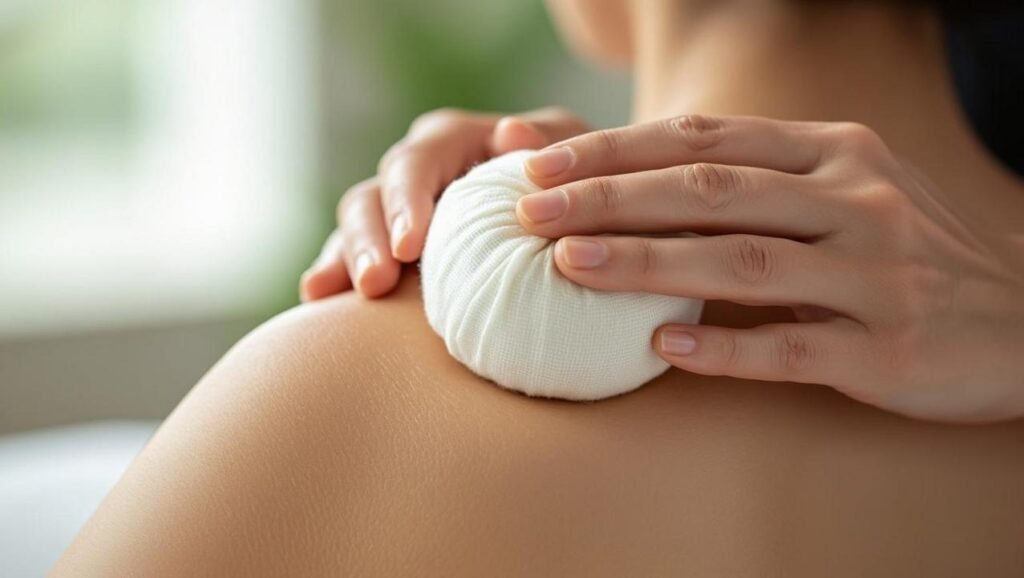
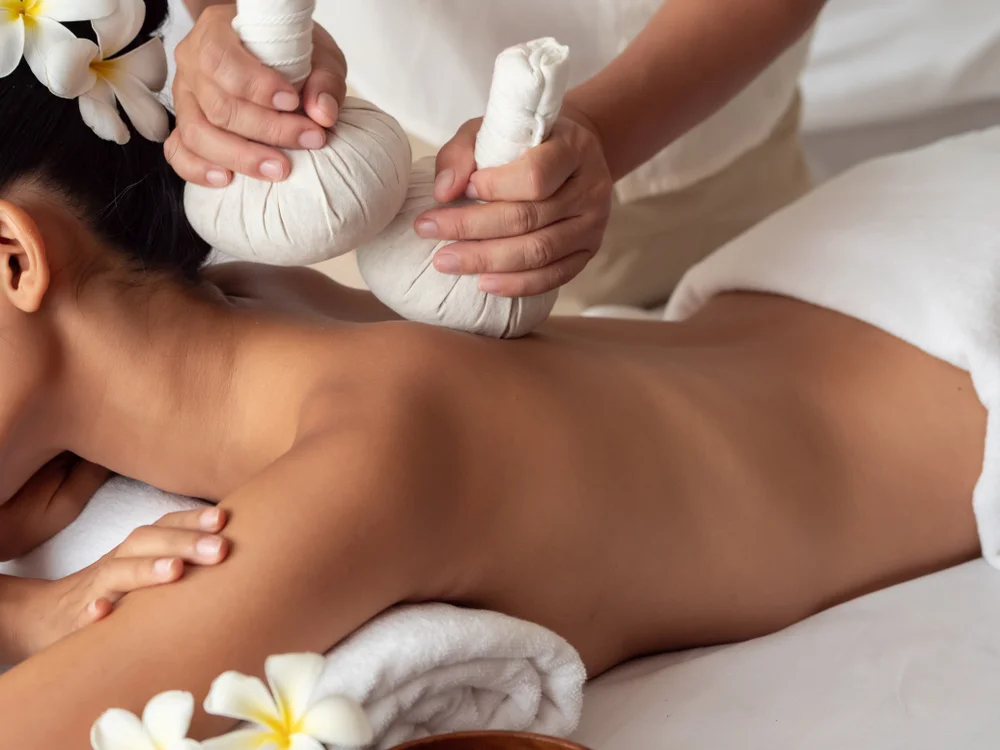
The therapist applies the compress using a steady, repeated pressing motion, gradually working across different areas of the body in a predictable rhythm. This consistency is part of what makes the treatment feel so calming — your body and nervous system quickly settle into the pattern, allowing you to relax more fully with each repetition rather than staying alert to unexpected movement.
Heat and Steam
Because the compress is repeatedly reheated throughout the session, the warmth stays fairly consistent from start to finish rather than fading partway through. The gentle steam released from the herbs also carries their aroma, adding a sensory layer to the treatment that many people find just as relaxing as the physical pressure itself.
Rolling and Pressing Movements
Along with straightforward pressing, therapists often roll the compress gently across the skin, which helps distribute heat more evenly and creates a slightly different sensation than a static press. This rolling motion is particularly common over larger muscle groups like the back and thighs, where a broader, sweeping movement feels more comfortable than repeated pressing in one exact spot.
Alternating Pressure and Relaxation
A skilled therapist alternates between firmer pressing and lighter, more relaxed contact, giving the muscles brief moments to release between each firmer application. This alternating rhythm mirrors techniques used in traditional Thai massage, where periods of pressure are balanced with pauses, helping the body ease into deeper relaxation rather than staying tense throughout.
The Importance of Therapist Rhythm
A consistent, well-practiced rhythm is often what separates an average herbal compress session from a truly memorable one. Experienced therapists develop a natural sense of timing — knowing how long to hold pressure, when to reheat the compress, and how to move smoothly between areas — all of which contributes to the session feeling seamless rather than disjointed.
How Herbal Compress Therapy Is Performed
A typical session follows a clear sequence, from preparing the compress to applying it across the body, with careful attention paid to comfort and temperature throughout.
Preparing the Herbal Compress
Before the session begins, the herbal bundle is prepared and tightly wrapped to hold its shape under repeated pressing. A well-made compress needs to be firm enough to apply even pressure, yet not so tightly packed that steam can’t pass through easily. This preparation step directly affects how well the compress performs throughout the treatment.
Heating the Compress
The compress is heated in a steamer until it reaches a warm, comfortable temperature suitable for direct application to the skin. Because the compress naturally cools as it’s used, therapists typically keep a second compress heating at the same time, allowing them to swap between the two and maintain a steady temperature throughout the session without long pauses.
Testing the Temperature
Before applying the compress directly, an experienced therapist will test its temperature against their own skin or a less sensitive area, ensuring it’s warm rather than uncomfortably hot. This step is an important safety measure, since skin sensitivity can vary significantly from person to person, and a compress that feels pleasantly warm to one person could feel too hot to another.
Applying the Compress to the Body
Once at the right temperature, the compress is pressed and rolled across the body in the rhythmic pattern described earlier, moving gradually from one area to the next. Therapists typically work in a logical sequence — such as back, shoulders, and legs — rather than jumping between unrelated areas, which helps the treatment feel smooth and well-paced from start to finish.
Combining Compresses With Massage Techniques
Herbal compress therapy is often paired with traditional massage techniques, with the compress used either before, during, or after hands-on massage work. If you’re curious how this combination compares to a massage on its own, our guide to the benefits of traditional Thai massage covers how these techniques work together to support relaxation and muscle comfort.
Common Herbal Compress Techniques
While the overall rhythm stays consistent, therapists use a few distinct techniques throughout a session, each suited to different areas and levels of tension.
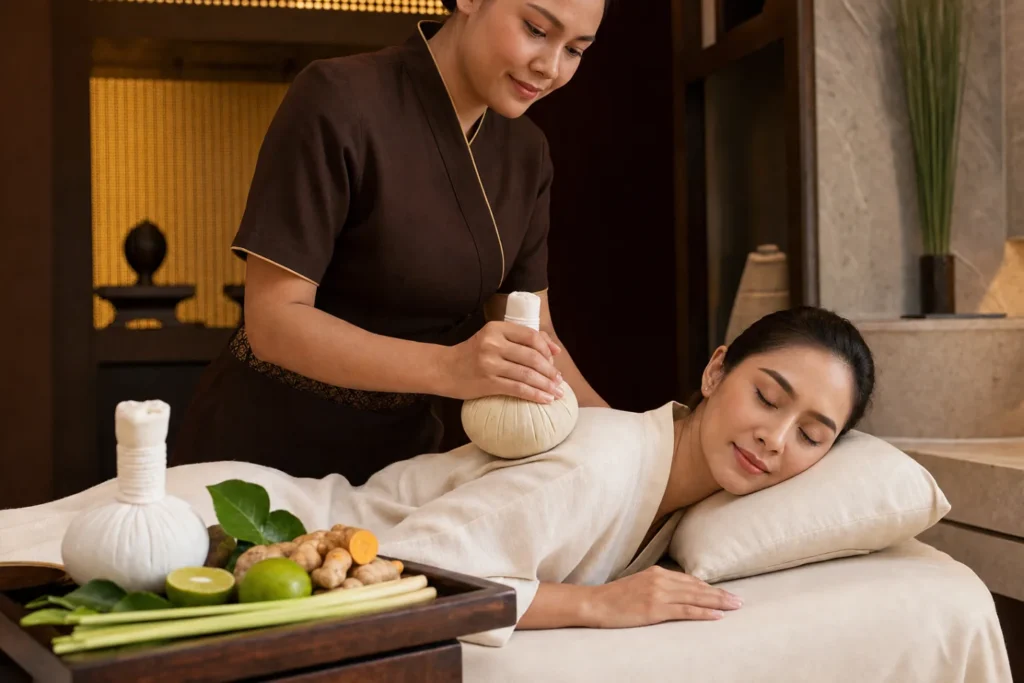
Gentle Pressing
The most basic technique involves pressing the warm compress firmly but gently against the skin and holding briefly before lifting and repeating. This simple, repeated pressing is usually used to begin a session, allowing the body to gradually adjust to the warmth before more targeted techniques are introduced.
Circular Movements
The compress is sometimes moved in small circular motions over a specific area, which can feel particularly soothing over the shoulders or lower back. This circular technique tends to spread warmth more broadly across a muscle group compared to a single, direct press.
Rolling Motions
As mentioned earlier, rolling the compress along the length of a muscle — such as down the back or along the thigh — helps distribute heat evenly while covering a larger area more efficiently than repeated pressing alone.
Rhythmic Tapping
In some sessions, therapists use a light, rhythmic tapping motion with the compress, similar to gentle percussion techniques used in massage. This can add a slightly more invigorating sensation compared to the steadier pressing and rolling techniques used elsewhere in the session.
Targeted Application to Tight Areas
When a particular area feels especially tight — often the shoulders, lower back, or calves — the therapist may spend extra time applying the compress there specifically, using slightly firmer pressure and a slower rhythm to help that area relax more fully before moving on.
How Heat and Rhythm Work Together
Heat and rhythmic movement aren’t separate elements of the treatment — they work together continuously, each enhancing the effect of the other throughout the session.
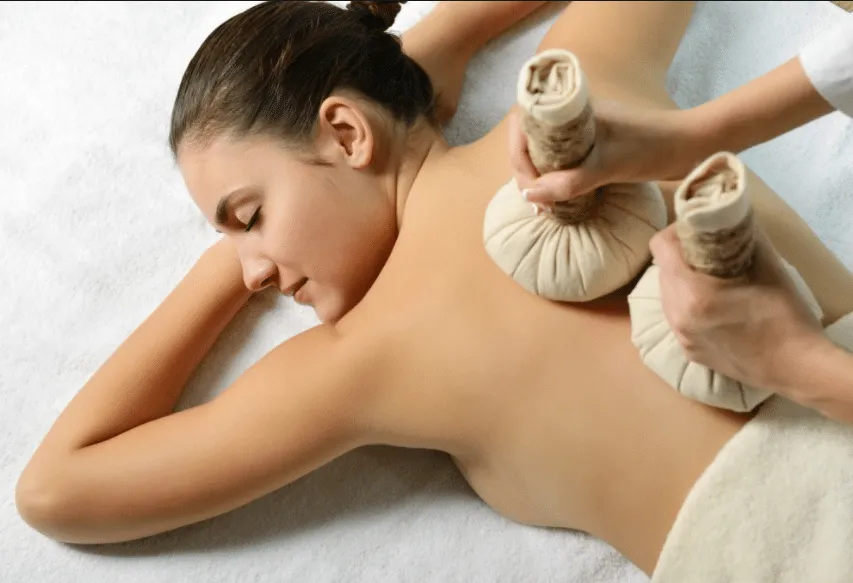
Warming the Muscles
The steady heat from the compress helps warm the muscles at the surface, which can make them feel more relaxed and receptive to the pressure applied during the treatment. This warming effect is part of why herbal compress therapy is often used before or during massage, as it can help the body settle in more comfortably.
Supporting Relaxation
The combination of consistent warmth, gentle pressure, and a predictable rhythm creates an overall sense of calm that builds throughout the session. Many people find this steady, repetitive quality just as calming as the physical warmth itself, since it gives the mind something soothing and predictable to focus on.
Preparing the Body for Massage
When used before a massage, the warmth and rhythm of the compress can help ease the body into a more relaxed state, which may make subsequent hands-on massage techniques feel more comfortable from the very beginning of the session.
Creating a Calming Sensation
Beyond the physical effects, the gentle aroma released from the heated herbs adds another layer to the calming experience, engaging the senses in a way that complements the physical warmth and rhythmic pressure of the compress itself.
Areas Commonly Treated With Herbal Compress Therapy
Herbal compress therapy can be applied across the entire body, though certain areas tend to receive particular attention due to how commonly they hold tension.
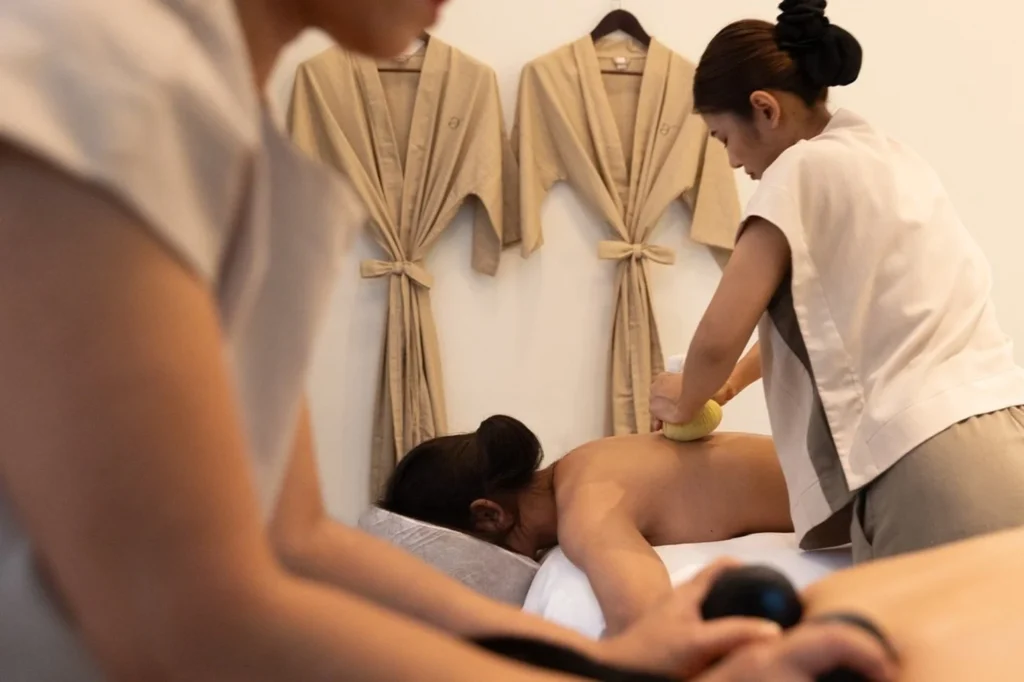
Back and Shoulders
The back and shoulders are among the most commonly treated areas, since this is where many people carry the most noticeable everyday tension. The broader surface area also makes it well-suited to the rolling and circular techniques described earlier.
Neck
The neck is treated with a gentler touch and lighter pressure, given the sensitivity of this area, but the warmth from the compress can still provide noticeable relief from stiffness that builds up here.
Arms and Hands
Herbal compress therapy applied to the arms and hands can help ease tension from repetitive use, such as typing or manual work, with the compress typically applied in smaller, more controlled movements along these narrower areas.
Legs
The legs, particularly the thighs and calves, respond well to the rolling technique, which helps distribute warmth along the length of the muscle and can feel especially soothing after a long day of standing or walking.
Feet
The feet are often treated toward the end of a session, with the warm compress providing a comforting, grounding sensation that many people find is a relaxing way to close out the treatment.
Benefits of Herbal Compress Therapy
While individual experiences vary, herbal compress therapy is generally associated with several noticeable benefits related to relaxation and everyday comfort.
Relaxation and Stress Relief
The combination of heat, aroma, and rhythmic pressure makes herbal compress therapy a particularly effective way to unwind, both physically and mentally, especially after a stressful week.
Temporary Relief From Muscle Tension
The warmth and pressure from the compress can help ease temporary muscle tightness, particularly in areas that tend to hold tension from posture or repetitive movement.
Comfort for Stiff Muscles
For muscles that feel generally stiff rather than acutely painful, the steady warmth of the compress can provide a comforting sensation that makes movement feel a little easier afterward.
Supporting Flexibility and Mobility
When combined with massage, the warming effect of the compress may help the body feel more prepared for stretching and movement, complementing the flexibility benefits already associated with traditional Thai massage techniques.
Overall Wellness
Beyond the physical sensations, many people simply value herbal compress therapy as part of a broader wellness routine — a comforting, sensory experience that supports relaxation alongside other massage and self-care practices.
Herbal Compress Therapy vs. Traditional Thai Massage
Although closely related, herbal compress therapy and traditional Thai massage are distinct techniques, each offering a slightly different experience.
Main Techniques
Traditional Thai massage relies primarily on the therapist’s hands, elbows, knees, and feet to apply pressure and guide stretches, while herbal compress therapy centers around the heated compress itself as the main tool used throughout the treatment.
Use of Heat
Heat is a defining feature of herbal compress therapy, whereas traditional Thai massage typically doesn’t involve any heated tools, relying instead on hands-on pressure and movement alone.
Pressure and Stretching
Traditional Thai massage includes assisted stretching and deeper, more varied pressure across joints and muscles, while herbal compress therapy tends to focus more on steady, rhythmic pressing rather than active stretching.
Overall Experience
Herbal compress therapy often feels warmer and more soothing overall, while traditional Thai massage can feel more active and dynamic due to the stretching and varied pressure involved — though both are ultimately aimed at relaxation and physical comfort.
Combining Both Treatments
Many people choose to combine both techniques in a single session, using herbal compress therapy to warm and relax the body before or after traditional massage work. If you’re deciding between different massage styles altogether, our comparison of Thai massage vs. Swedish massage can also help you understand how these techniques differ more broadly.
What to Expect During an Herbal Compress Session
Knowing what to expect can help first-time visitors feel more comfortable and prepared before their appointment.
Before the Session
Before the treatment begins, your therapist may ask about any skin sensitivities, allergies, or areas you’d like extra attention on, helping tailor the session to your comfort level from the start.
During the Treatment
Throughout the session, you’ll feel the warm compress being pressed, rolled, and occasionally tapped across different areas of your body, following the rhythmic pattern described earlier in this guide.
Communication With the Therapist
If the compress ever feels too hot or the pressure feels too firm, it’s important to let your therapist know right away — a good therapist will always adjust based on your feedback throughout the session.
After the Session
Afterward, many people feel warm, relaxed, and slightly drowsy, similar to how you might feel after a massage. Drinking water and taking a few minutes to rest before returning to your day can help you make the most of that relaxed feeling.
How Often Can You Have Herbal Compress Therapy?
How often you book herbal compress therapy largely depends on your personal goals, whether that’s occasional relaxation or a more regular part of your wellness routine.
Occasional Relaxation Sessions
For many people, herbal compress therapy works well as an occasional treat — something booked every few weeks or whenever extra relaxation is needed, rather than on a strict schedule.
Regular Wellness Sessions
Others prefer to build herbal compress therapy into a more regular routine, pairing it consistently with massage sessions to support ongoing relaxation and muscle comfort over time.
Choosing a Suitable Frequency
There’s no single correct frequency — it depends on your schedule, budget, and how your body responds to the treatment. If you’re also trying to figure out a broader massage routine, our guide on how often you should get a massage offers helpful guidance that applies here as well.
Listening to Your Body
Ultimately, paying attention to how your body feels in the days after a session is one of the best ways to figure out the right frequency for you, adjusting up or down based on how relaxed and comfortable you feel between visits.
Is Herbal Compress Therapy Suitable for Everyone?
While herbal compress therapy is generally gentle and well-tolerated, there are a few considerations worth keeping in mind before booking a session.
Temperature Sensitivity
If you’re particularly sensitive to heat, it’s worth mentioning this to your therapist beforehand so they can adjust the compress temperature accordingly throughout the session.
Skin Sensitivity
People with sensitive skin or certain skin conditions should let their therapist know in advance, as this may affect how the compress is applied or whether certain herbs are more suitable than others.
Existing Injuries or Health Conditions
If you have any existing injuries, circulation issues, or health conditions, it’s important to mention these before your session so the treatment can be adjusted safely, or so your therapist can advise whether the treatment is appropriate at all.
When to Consult a Healthcare Professional
If you’re pregnant, managing a chronic health condition, or unsure whether herbal compress therapy is right for you, checking with a healthcare professional beforehand is a sensible step to take.
Frequently Asked Questions
What is herbal compress therapy?
Herbal compress therapy is a traditional treatment that uses a heated bundle of herbs, wrapped in cloth, to apply warmth and rhythmic pressure to the body for relaxation and muscle comfort.
What herbs are used in a herbal compress?
Common herbs include lemongrass, turmeric, kaffir lime leaves, and camphor, though the exact blend can vary depending on the therapist or treatment center.
How does herbal compress therapy work?
The compress is heated until warm, then pressed and rolled rhythmically over the body, with the warmth and gentle pressure working together to promote relaxation.
What does a herbal compress massage feel like?
It typically feels warm, fragrant, and rhythmically soothing, with a steady pressing and rolling sensation that many people find deeply relaxing.
Is herbal compress therapy painful?
No, it’s generally a gentle, comforting treatment rather than a painful one, though pressure can be adjusted based on your preference and any tight areas you’d like addressed.
How long does a herbal compress session last?
Session length can vary, but it’s often combined with massage as part of a longer overall treatment rather than offered as a very short standalone service.
Can herbal compress therapy be combined with Thai massage?
Yes, it’s commonly combined with traditional Thai massage, either before or during the session, to enhance relaxation and prepare the body for hands-on techniques.
How often should you have herbal compress therapy?
This depends on personal preference — some people book it occasionally for relaxation, while others include it more regularly as part of an ongoing wellness routine.
Is herbal compress therapy suitable for beginners?
Yes, it’s generally considered a gentle, approachable treatment that’s well-suited to first-time visitors as well as regular massage clients.
What should I wear during a herbal compress treatment?
This typically depends on the treatment center’s usual massage attire guidelines, since herbal compress therapy is often provided as part of a broader massage session.
Final Thoughts: Experiencing the Rhythm of Herbal Compress Therapy
Herbal compress therapy offers a uniquely soothing experience, built around the steady rhythm of heat, pressure, and fragrant herbs working together. Whether enjoyed on its own or combined with traditional massage, it’s a treatment that rewards a little patience — the calming effect builds gradually as the rhythm settles in. If you’re curious how to extend that relaxed feeling once your session ends, our guide on simple stretches to practice between massage sessions is a great next read.