
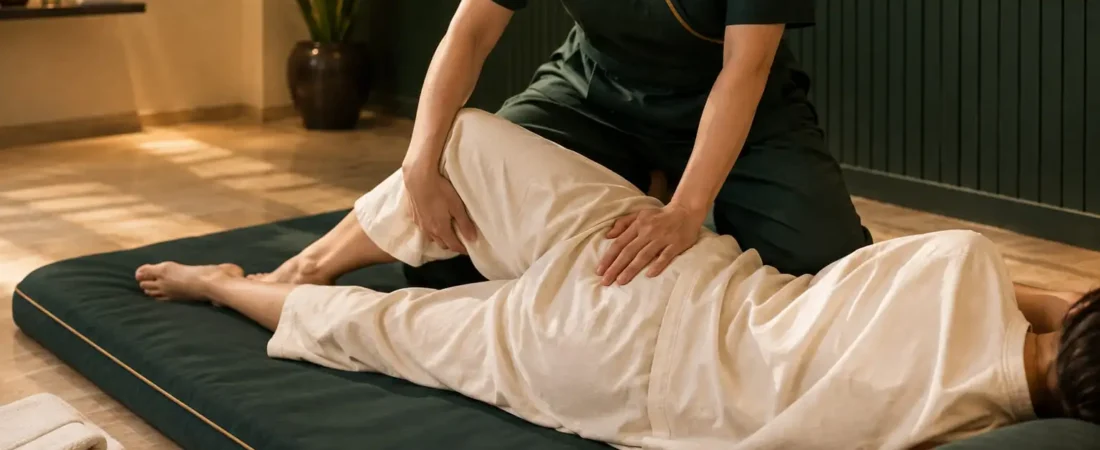
Traditional Thai massage has been practiced for centuries, yet it remains one of the most misunderstood therapies in the wellness world. Unlike a typical oil massage, it combines assisted stretching, rhythmic pressure, and joint mobilization to work with the body rather than simply relax the surface muscles. If you’ve ever wondered why this ancient technique has stood the test of time, the answer lies in what it actually does for the body and mind.
In this guide, we’ll walk through five core benefits of traditional Thai massage, explain the techniques behind them, and help you decide whether it’s the right choice for your next wellness session in Bahrain.
1. Helps Improve Flexibility and Range of Motion
One of the most noticeable benefits of traditional Thai massage is increased flexibility, largely thanks to its emphasis on assisted stretching.
Assisted Stretching Techniques
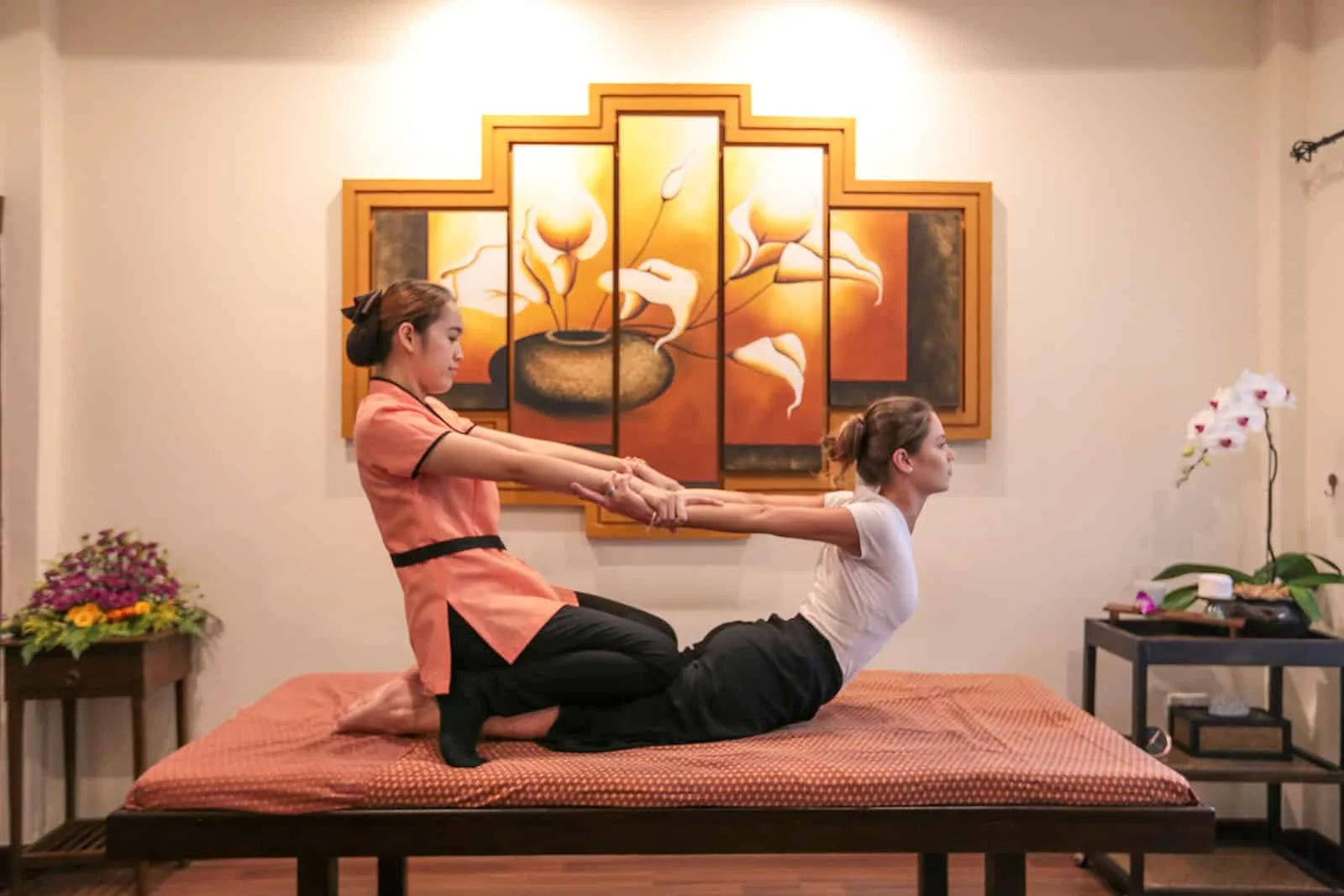
The therapist gently guides your limbs and spine through a series of stretches, similar to positions found in yoga. Because the movements are passive, your muscles can stretch further than they typically would on their own, without the strain of active effort.
Joint and Muscle Mobility
By working through the joints as well as the muscles, Thai massage encourages a wider range of motion in areas like the hips, shoulders, and spine — regions that often become restricted from prolonged sitting or repetitive movement.
How Thai Massage Supports Everyday Movement
Improved flexibility isn’t just about touching your toes. It can translate into easier daily movements, from bending down to pick something up to turning your head to check your blind spot while driving.
Who May Benefit from Improved Flexibility?
This benefit is especially relevant for people with sedentary jobs, athletes looking to maintain mobility, and anyone recovering from stiffness caused by long periods of inactivity or travel.
2. Helps Relieve Muscle Tension and Stiffness
Muscle tightness is one of the most common reasons people seek out massage therapy, and Thai massage addresses it directly through targeted pressure and movement.
Pressure Applied to Tight Muscles
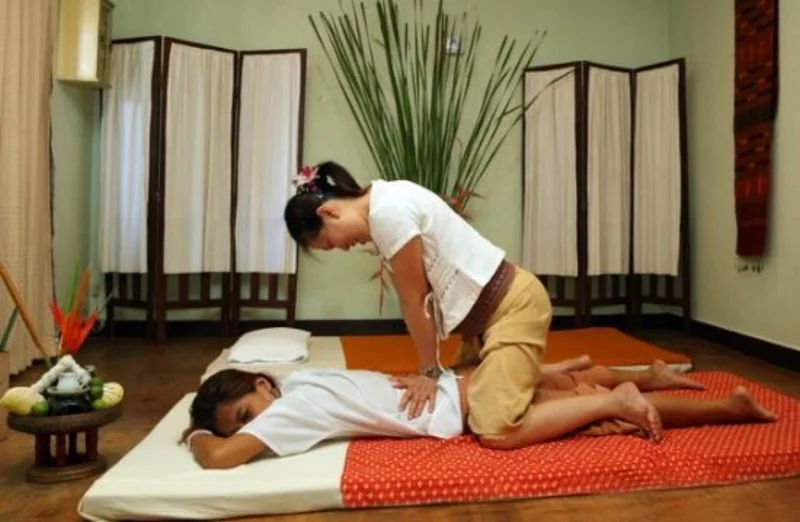
Therapists use their palms, thumbs, and elbows to apply firm, sustained pressure to areas of tension, helping to release tight knots that build up over time in muscles like the shoulders, neck, and lower back.
Stretching and Compression Techniques
Combining pressure with passive stretches allows muscles to release tension more effectively than pressure alone. This dual approach is one of the defining features that sets Thai massage apart from other styles.
Common Areas of Muscle Tension
The neck, shoulders, upper back, and hips are among the most frequently treated areas, particularly for people who spend long hours at a desk or standing for extended periods.
Thai Massage for Office Workers and Active Lifestyles
Whether you’re dealing with “tech neck” from hours at a screen or muscle fatigue from an active lifestyle, the combination of stretching and compression can help address stiffness at its source rather than just the surface.
3. Promotes Relaxation and Stress Relief
Beyond the physical benefits, traditional Thai massage offers a meaningful opportunity to slow down and reset mentally.
Slow and Rhythmic Massage Techniques
The rhythmic, flowing nature of Thai massage techniques encourages the nervous system to shift into a more relaxed state, which can help ease the physical symptoms often associated with stress.
Relaxation of the Body and Mind
As muscles release tension, many people also notice a corresponding sense of mental calm. The steady pace of the session gives the mind a chance to disconnect from daily pressures.
Thai Massage After a Busy Workday
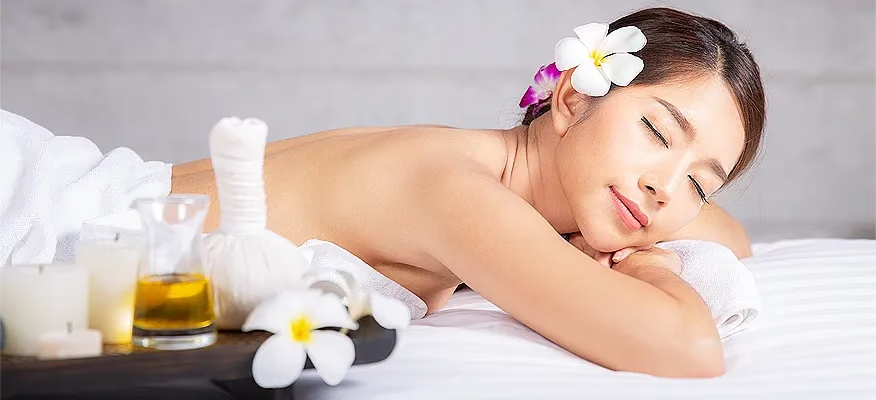
For many residents in Bahrain juggling demanding work schedules, a Thai massage session serves as a dedicated pause — a way to unwind physically and mentally before heading into the evening or a new day.
Creating a Calm Massage Experience
At Thai Massage Bahrain, sessions are designed around a private, comfortable setting that supports this sense of relaxation from the moment you walk in.
4. Supports Better Circulation
Improved blood flow is another benefit closely tied to the physical techniques used in Thai massage.
Compression and Rhythmic Movements
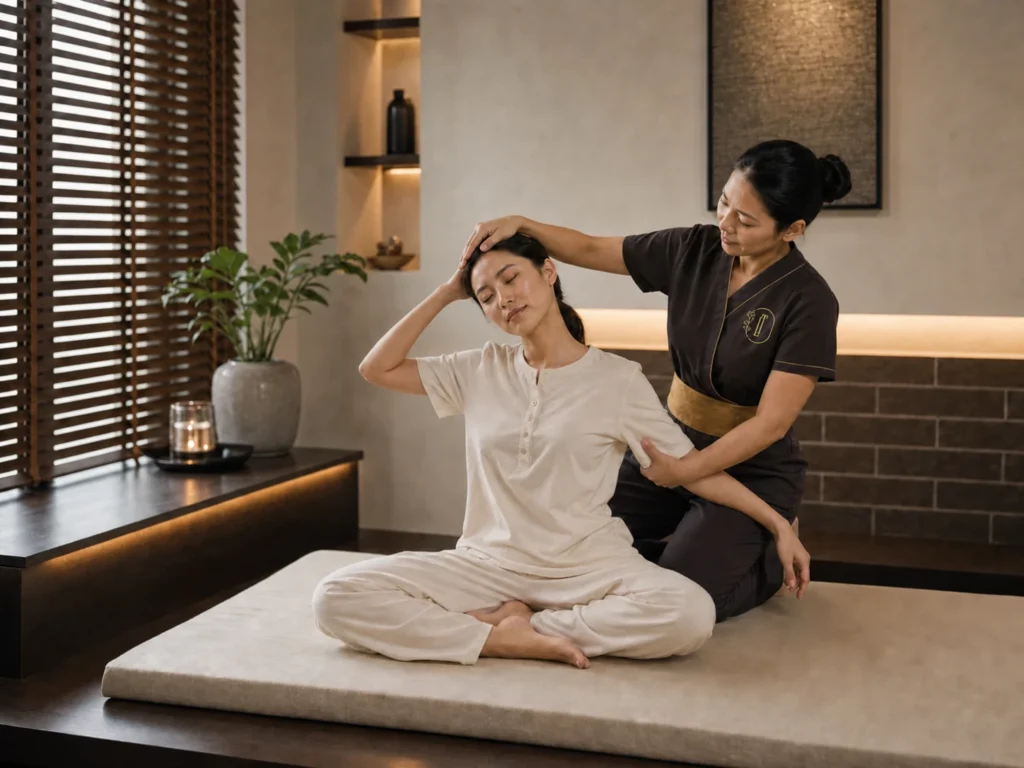
The rhythmic compression applied throughout a session can help encourage blood flow to areas that may otherwise experience restricted circulation, particularly muscles that stay tense for long periods.
Movement and Blood Flow
Passive stretching also plays a role here, as moving joints and muscles through their range of motion can support healthy circulation throughout the session.
How Relaxation May Support Circulation
As the body relaxes and tension eases, blood vessels are less constricted, which may further support the circulatory benefits of the massage itself.
Why Hydration Matters After Massage
Drinking water after your session is often recommended, as staying hydrated supports the body’s natural processes following increased circulation and muscle release.
5. May Support Energy, Mobility, and Overall Well-Being
Many people leave a Thai massage session describing a feeling of lightness and renewed energy.
Traditional Thai Massage and Sen Lines
Traditional Thai medicine theory describes energy pathways known as Sen lines running throughout the body. Thai massage techniques are applied along these lines with the aim of supporting the body’s natural balance.
Combining Stretching, Pressure, and Movement
The combination of stretching, pressure-point work, and rhythmic movement creates a full-body approach that addresses more than just isolated muscle groups.
Feeling More Comfortable and Mobile After a Session
Clients often report feeling more comfortable in their bodies immediately after a session — easier movement, less stiffness, and a general sense of physical ease.
Incorporating Thai Massage Into a Wellness Routine
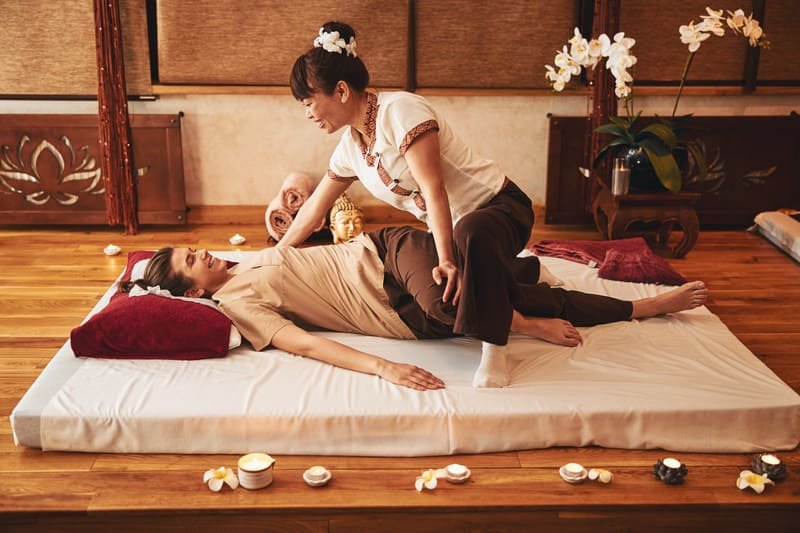
Rather than a one-time treat, many people find the most benefit when Thai massage becomes a regular part of their overall wellness routine, alongside good sleep, hydration, and movement.
Traditional Thai Massage Techniques Explained
To better understand why these benefits occur, it helps to look at the specific techniques involved.
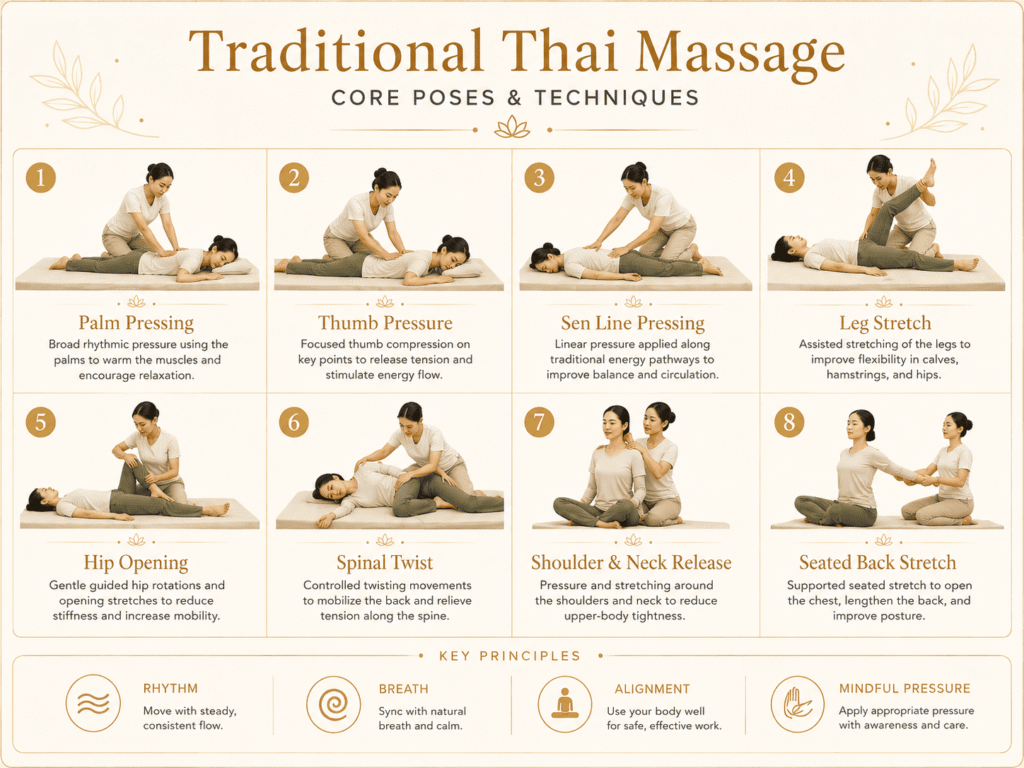
Acupressure and Compression
Sustained pressure applied with the thumbs, palms, or elbows targets specific points along the body, similar in principle to acupuncture but without needles.
Assisted Stretching
The therapist uses their own body position and weight to guide your limbs into safe, supported stretches you may not be able to achieve alone.
Joint Mobilization
Gentle rotations and movements through the joints help maintain and improve range of motion in areas prone to stiffness.
Rhythmic Pressure
Rather than static pressure alone, techniques often involve a steady, flowing rhythm that helps the body ease into each movement.
Sen Line-Based Techniques
Pressure is applied along the body’s traditional energy lines, forming the structural basis for how a full Thai massage session is sequenced from head to feet.
Who Can Benefit from Traditional Thai Massage?
Office Workers
Long hours at a desk often lead to tight shoulders, stiff necks, and lower back discomfort — all areas Thai massage is well-suited to address.
People With Stiff Muscles
Anyone dealing with general muscle stiffness, whether from inactivity or physical strain, may find relief through the combination of stretching and pressure.
Active Adults
Those who exercise regularly can use Thai massage to support recovery and maintain flexibility between workouts.
Travelers and Tourists
Long flights and unfamiliar beds can leave the body feeling stiff. A Thai massage session is a popular way for visitors to Bahrain to reset during their stay.
People Looking for Stress Relief
For anyone simply seeking a break from daily stress, the calming, rhythmic nature of the massage offers a dedicated space to slow down.
What to Expect During a Traditional Thai Massage
Before the Session
You’ll typically be provided with comfortable, loose-fitting clothing to wear during the massage, since it’s performed without oil and involves a full range of movement.
Consultation and Pressure Preferences
Before beginning, your therapist will usually ask about any areas of concern and your preferred pressure level, ensuring the session is tailored to your comfort.
During the Massage
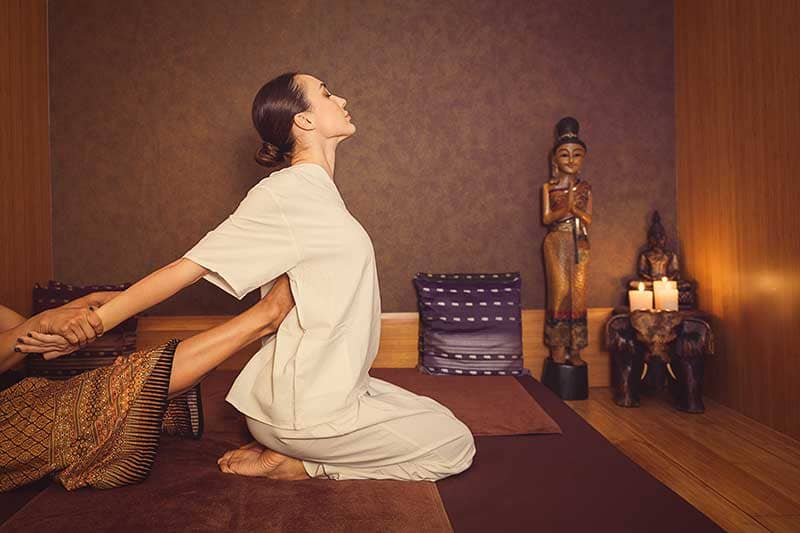
Expect a sequence of stretches, compressions, and pressure-point work performed on a floor mat, moving methodically from your feet up to your head.
After the Session
Many people feel a mix of relaxation and gentle energy afterward. It’s a good idea to drink water and give yourself a few minutes before rushing back into your day.
Traditional Thai Massage vs Other Massage Styles
Thai Massage vs Swedish Massage
Swedish massage uses oil and long, gliding strokes on a table, focusing on relaxation. Thai massage is performed clothed, on a mat, with stretching and compression as the primary tools. For a deeper comparison, see our guide on Thai Massage vs. Swedish Massage.
Thai Massage vs Deep Tissue Massage
Deep tissue massage targets deeper muscle layers with firm, focused pressure, usually with oil. Thai massage achieves a similar depth of release but through stretching and rhythmic compression rather than sustained deep pressure alone.
Thai Massage vs Sports Massage
Sports massage is typically geared toward athletic performance and recovery, focusing on specific muscle groups. Thai massage offers a more holistic, full-body approach that still supports mobility and recovery.
Thai Massage vs Hot Stone Massage
Hot stone massage incorporates heated stones to relax muscles passively. Thai massage relies on active, hands-on techniques and stretching rather than heat, offering a more dynamic session overall.
How Often Should You Get Traditional Thai Massage?
Occasional Massage for Relaxation
If your main goal is stress relief and occasional relaxation, a session every few weeks may be enough to notice a difference in how you feel.
Regular Massage for Mobility and Wellness
For ongoing support with flexibility, muscle tension, and general wellness, many people find that a more consistent schedule brings better long-term results. We cover this in more detail in our guide, How Often Should You Get a Massage?
Choosing a Schedule That Fits Your Lifestyle
The right frequency depends on your activity level, work demands, and personal wellness goals — there’s no single answer that fits everyone.
Tips for Getting the Most From a Thai Massage
Communicate Your Pressure Preference
Don’t hesitate to let your therapist know if the pressure feels too light or too intense — clear communication leads to a better session.
Stay Hydrated
Drinking water before and after your session supports circulation and helps your body respond well to the massage.
Avoid Heavy Meals Before the Session
A light meal beforehand is recommended, since a full stomach can make some of the stretching positions less comfortable.
Wear Comfortable Clothing
Loose, breathable clothing allows for a full range of motion throughout the massage, which is essential given the stretching involved.
Allow Time to Rest After the Massage
Try not to rush straight back into a busy schedule. Giving yourself even 15–20 minutes to relax afterward helps you get the full benefit of the session.
Is Traditional Thai Massage Suitable for Everyone?
When to Tell Your Therapist About Existing Conditions
If you have any injuries, chronic conditions, or areas of concern, it’s important to inform your therapist beforehand so the session can be adjusted accordingly.
Situations Where Professional Advice May Be Appropriate
Those who are pregnant, recovering from surgery, or managing a medical condition should check with a healthcare provider before booking a massage session.
Choosing an Experienced Thai Massage Therapist
Working with a trained, experienced therapist ensures techniques are applied safely and adjusted to your individual needs and comfort level.
Frequently Asked Questions
What are the main benefits of traditional Thai massage?
The main benefits include improved flexibility, reduced muscle tension, stress relief, better circulation, and an overall sense of increased energy and well-being.
Is traditional Thai massage good for flexibility?
Yes, the assisted stretching techniques used throughout a session are specifically designed to improve range of motion in the joints and muscles.
Can Thai massage help with muscle stiffness?
Thai massage combines pressure and stretching, which many people find effective for easing stiffness in the neck, shoulders, back, and legs.
Is traditional Thai massage painful?
Pressure can range from light to firm depending on your preference. It shouldn’t be painful — communicate with your therapist to keep the pressure at a comfortable level.
Does Thai massage use oil?
No, traditional Thai massage is performed without oil, with the client wearing loose, comfortable clothing throughout the session.
Do you keep your clothes on during Thai massage?
Yes, unlike oil-based massages, Thai massage is performed fully clothed to allow for stretching and movement.
How long does a traditional Thai massage session last?
Sessions commonly range from 60 to 120 minutes, depending on your preference and the areas you’d like to focus on.
How often should I get Thai massage?
This depends on your goals — occasional sessions for relaxation, or a more regular schedule for ongoing flexibility and tension relief.
Is Thai massage suitable for beginners?
Yes, therapists typically adjust pressure and stretching intensity to suit first-time clients, making it accessible for those new to the practice.
What is the difference between Thai massage and traditional massage?
“Traditional massage” often refers to Swedish-style, oil-based techniques, while Thai massage uses stretching, compression, and pressure-point work without oil.
Where can I book traditional Thai massage in Bahrain?
You can book a session with Thai Massage Bahrain directly via WhatsApp or through our contact page, with appointments available in Juffair and Adliya.
Final Thoughts on the Benefits of Traditional Thai Massage
Traditional Thai massage offers far more than a typical relaxation treatment — it’s a full-body practice that supports flexibility, eases muscle tension, and promotes lasting well-being. Whether you’re looking to unwind after a long week or build a consistent wellness routine, this centuries-old technique offers real, tangible benefits for both body and mind.
Ready to experience it for yourself?