
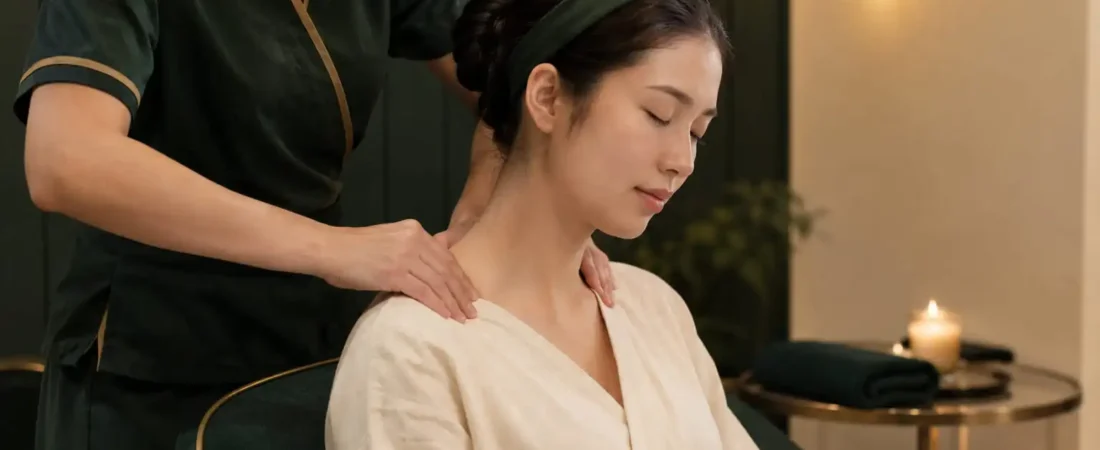
A great massage can leave you feeling loose, relaxed, and pain-free — but that feeling doesn’t have to fade the moment you walk out the door. What you do in the days and weeks between sessions has a real effect on how long those results last. Simple, consistent stretching is one of the easiest ways to hold onto that looseness, ease everyday tension before it builds up, and keep your body moving comfortably. Below are safe, beginner-friendly stretches you can do at home, at your desk, or after a workout, along with guidance on how often to stretch and when to be cautious.
Why Stretch Between Massage Sessions?
Maintain Flexibility
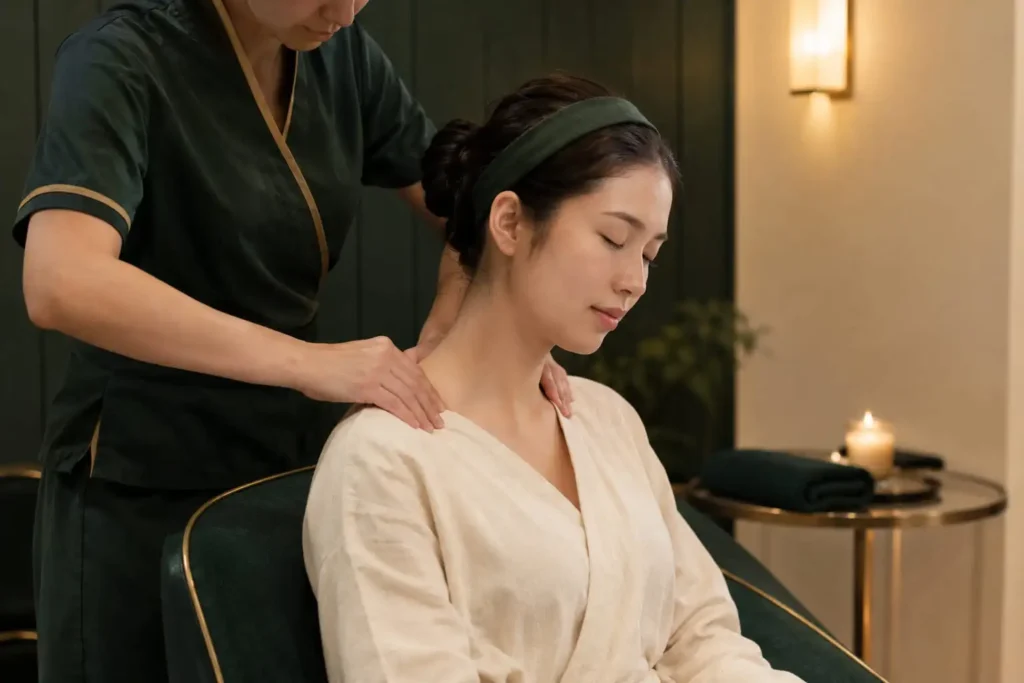
Muscles that feel loose right after a massage don’t automatically stay that way. Without regular movement, they gradually shorten again as your body settles back into its usual posture and habits. A few minutes of stretching each day acts like maintenance — reinforcing the improved range of motion your massage helped create instead of letting it slowly reverse over the following week or two.
Reduce Everyday Muscle Stiffness
Long hours at a desk, driving through traffic, or standing for extended shifts all place repetitive strain on the same muscle groups, usually the neck, shoulders, and lower back. This stiffness tends to build up gradually and quietly, so by the time you notice it, it’s often already significant. Light, regular stretching interrupts that slow build-up before it turns into the kind of deep tightness that takes a full massage session to properly release.
Support Relaxation
Slow, controlled stretching activates a similar calming response in the nervous system to the one triggered during massage. Focusing on your breath while easing into a stretch can lower stress levels and help you feel more grounded, especially during a busy week. This is part of why stretching pairs so naturally with regular massage — both work on the same relaxation pathway from different angles.
Improve Mobility
Consistent stretching keeps joints and surrounding muscles working through their full, natural range instead of settling into a smaller, more restricted pattern. Over time, this makes everyday movements — reaching overhead, bending down, turning to check a blind spot — feel noticeably easier and less effortful, which is often one of the most appreciated long-term benefits of a regular stretching habit.
How to Stretch Safely Between Massage Sessions
Stretching should always feel gentle and controlled, never forced or rushed. A few basic guidelines make stretching safer and more effective, especially in the day or two right after a massage, when your muscles are more relaxed and pliable than usual.
Warm Up Before Stretching
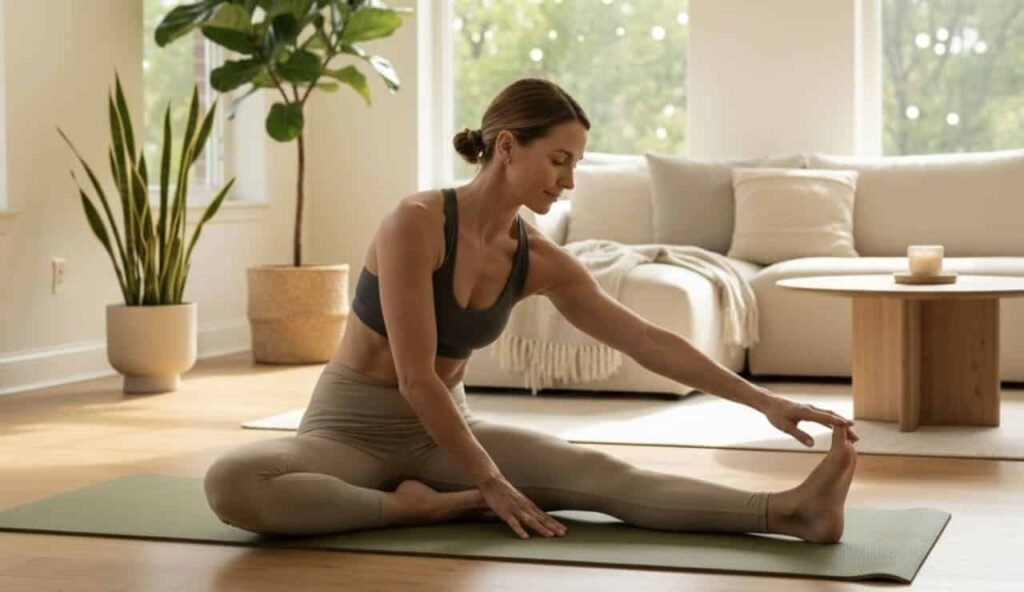
Cold, unwarmed muscles are more prone to strain when stretched, particularly in the morning or after sitting still for a long period. A short walk, a few minutes of light marching in place, or even just rolling your shoulders and rotating your ankles for a minute or two is usually enough to prepare your body before moving into deeper stretches.
Stretch Slowly and Gently
Ease into each position gradually rather than moving quickly toward the deepest stretch you can manage. Slow, patient movement gives your muscles time to relax and lengthen naturally, rather than triggering a protective tightening response, which is what often happens when a stretch is rushed or forced too far too soon.
Avoid Bouncing
Bouncing repeatedly at the end of a stretch — sometimes called ballistic stretching — can actually strain the muscle fibers instead of releasing them, since the sudden movement triggers a reflex that tightens the muscle rather than lengthening it. Holding each position steadily, without any bouncing, is both safer and more effective for loosening tight areas.
Breathe Normally
It’s common to instinctively hold your breath when a stretch feels intense, but this tends to tighten the surrounding muscles further and makes it harder to relax into the position. Slow, steady breathing throughout each stretch helps signal to your body that it’s safe to release tension, allowing the stretch to go slightly deeper and feel more comfortable overall.
Stop if You Feel Sharp Pain
A mild pulling or tension sensation is a normal part of stretching, but sharp, sudden, or shooting pain is a clear signal to stop immediately. Pushing through pain doesn’t speed up flexibility gains — it usually just risks a strain that can undo the benefits of your recent massage and delay your progress even further.
Simple Upper Body Stretches
The neck, shoulders, and upper back are some of the most common places people hold tension, largely due to screen time, phone use, and everyday stress. Because these muscles are used constantly throughout the day, they benefit especially well from short, frequent stretching breaks rather than one long session.
Neck Side Stretch
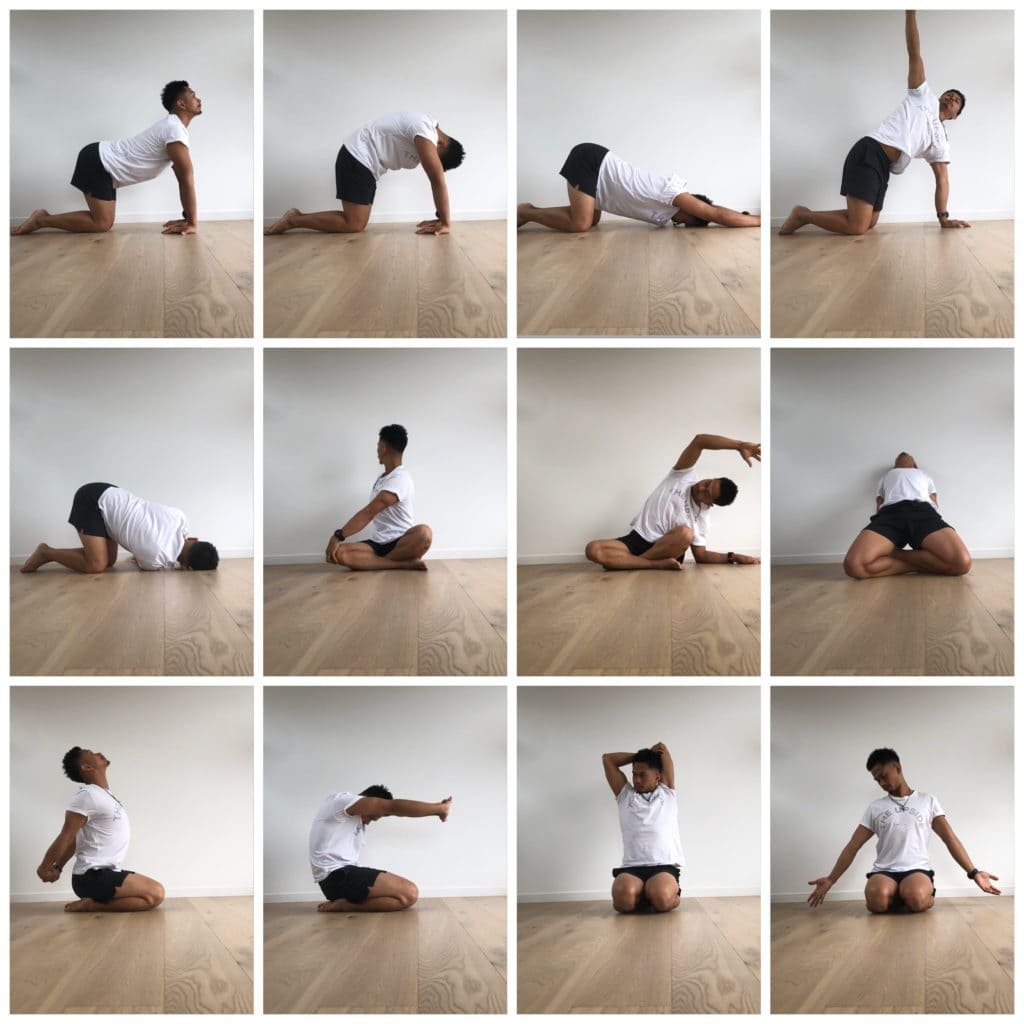
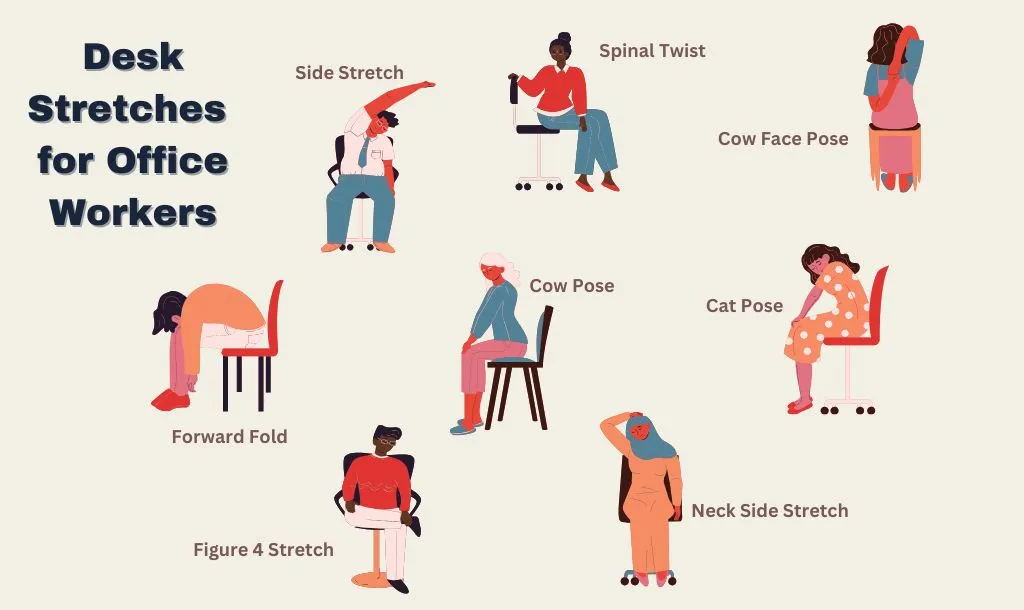
Sit or stand tall, then gently tilt your head toward one shoulder, letting the weight of your head do most of the work rather than pulling with your hand. You should feel a mild stretch along the side of your neck opposite the direction you’re tilting. Hold for around 15–20 seconds, breathing normally, then slowly return to center before switching sides.
Shoulder Rolls
Roll your shoulders slowly upward, backward, and down in a smooth circular motion, repeating for 8–10 rotations before reversing direction. This simple movement helps release tightness that builds up from hunching forward and encourages better circulation around the shoulder joints, making it a great option to do several times throughout a busy day.
Cross-Body Shoulder Stretch
Bring one arm straight across your chest at shoulder height, then use your other hand to gently press it closer to your body, just above or below the elbow. You should feel a noticeable stretch through the back of the shoulder and upper arm. Hold for 15–20 seconds on each side, keeping your shoulders relaxed rather than raised toward your ears.
Chest and Shoulder Stretch
Clasp your hands together behind your back, straighten your arms, and gently lift them while opening your chest forward. This is a particularly useful counter-stretch after long hours spent hunched over a desk or phone, as it directly works against the rounded, forward posture that builds up from that position throughout the day.
Upper Back Stretch
Interlace your fingers in front of you at chest height, round your upper back slightly, and push your hands forward as if pressing against a wall. This creates space between your shoulder blades and releases tension that builds up between them from prolonged sitting. Hold for 15–20 seconds, focusing on relaxing your neck and shoulders as you do.
Simple Lower Body Stretches
Tight hips, hamstrings, and calves are extremely common after long periods of sitting, standing, or physical activity, and they often contribute to lower back discomfort as well. These stretches target the major muscle groups that tend to tighten up the most in everyday life.
Standing Hamstring Stretch
Place one heel slightly forward with your toes pointing up, keeping a soft bend in the standing leg. Gently hinge forward at the hips, keeping your back relatively straight, until you feel a stretch along the back of the extended leg. Hold for 15–20 seconds, then switch legs, avoiding any rounding through the lower back.
Quadriceps Stretch
Standing on one leg (holding onto something for balance if needed), gently bend your other knee and pull that ankle up toward your glutes, keeping your knees close together and your standing knee slightly soft. You should feel a stretch along the front of the thigh. Hold for 15–20 seconds before switching sides.
Calf Stretch
Step one foot back, keeping that heel pressed into the ground and the leg fairly straight, while bending your front knee slightly and leaning forward. This stretches the calf muscle of the back leg, an area that often tightens from walking, standing, or wearing certain types of shoes for long periods. Hold for 15–20 seconds on each side.
Hip Flexor Stretch
Step into a gentle lunge position, with one knee forward and the other resting on the ground behind you if comfortable. Slowly shift your weight forward until you feel a stretch along the front of the hip on the back leg, keeping your torso upright rather than leaning forward. Hold for 15–20 seconds before switching sides.
Seated Figure-Four Stretch
While seated in a chair, cross one ankle over the opposite knee, keeping your foot flexed rather than pointed. Gently lean your torso forward from the hips until you feel a stretch through the outer hip and glute area of the crossed leg. Hold for 15–20 seconds, then switch sides — this one is especially useful for people who sit for most of the day.
Simple Back and Spine Stretches
The back carries a significant amount of daily tension, particularly for people who sit for long stretches, carry stress in their shoulders, or spend time hunched over a phone or laptop. These stretches gently mobilize the spine and release built-up tightness along the back.
Cat-Cow Stretch
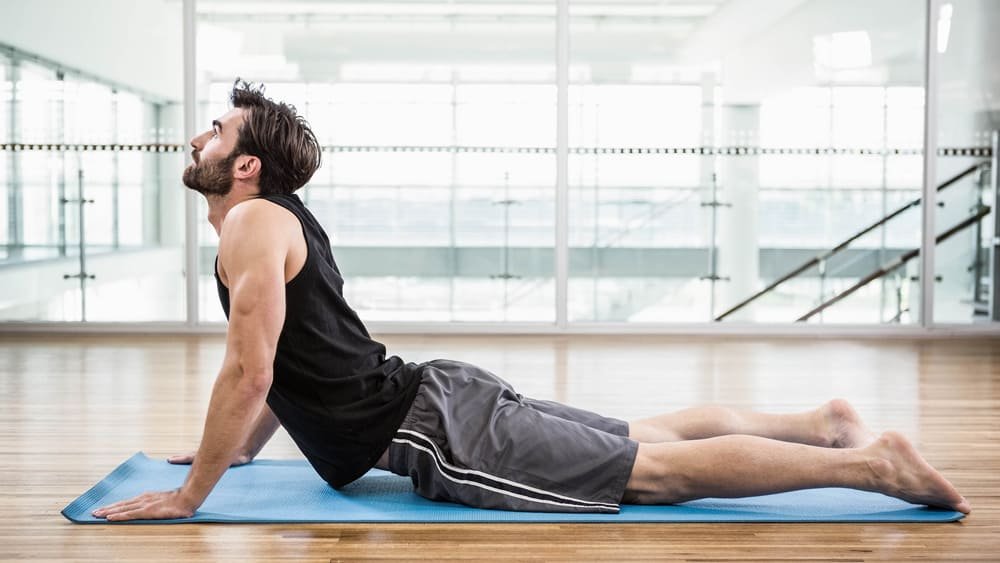
Starting on your hands and knees, slowly arch your back upward while tucking your chin toward your chest (cat), then reverse the movement by dipping your belly down and lifting your chest and head slightly (cow). Move slowly between the two positions in rhythm with your breath, repeating for 8–10 rounds to gently mobilize the entire spine.
Child’s Pose
Kneel down and sit back onto your heels, then extend your arms forward along the floor and let your chest sink gently toward the ground. This allows your lower back and shoulders to lengthen and release under their own weight rather than being actively stretched, making it a good option when you want something restful rather than intense.
Seated Spinal Twist
While seated with both feet flat on the floor, place one hand on the outside of the opposite knee and gently rotate your torso in that direction, using your other hand behind you for support. Move slowly and only as far as feels comfortable, holding for 15–20 seconds before switching sides. This helps release tension along the sides of the spine that build up from sitting.
Knee-to-Chest Stretch
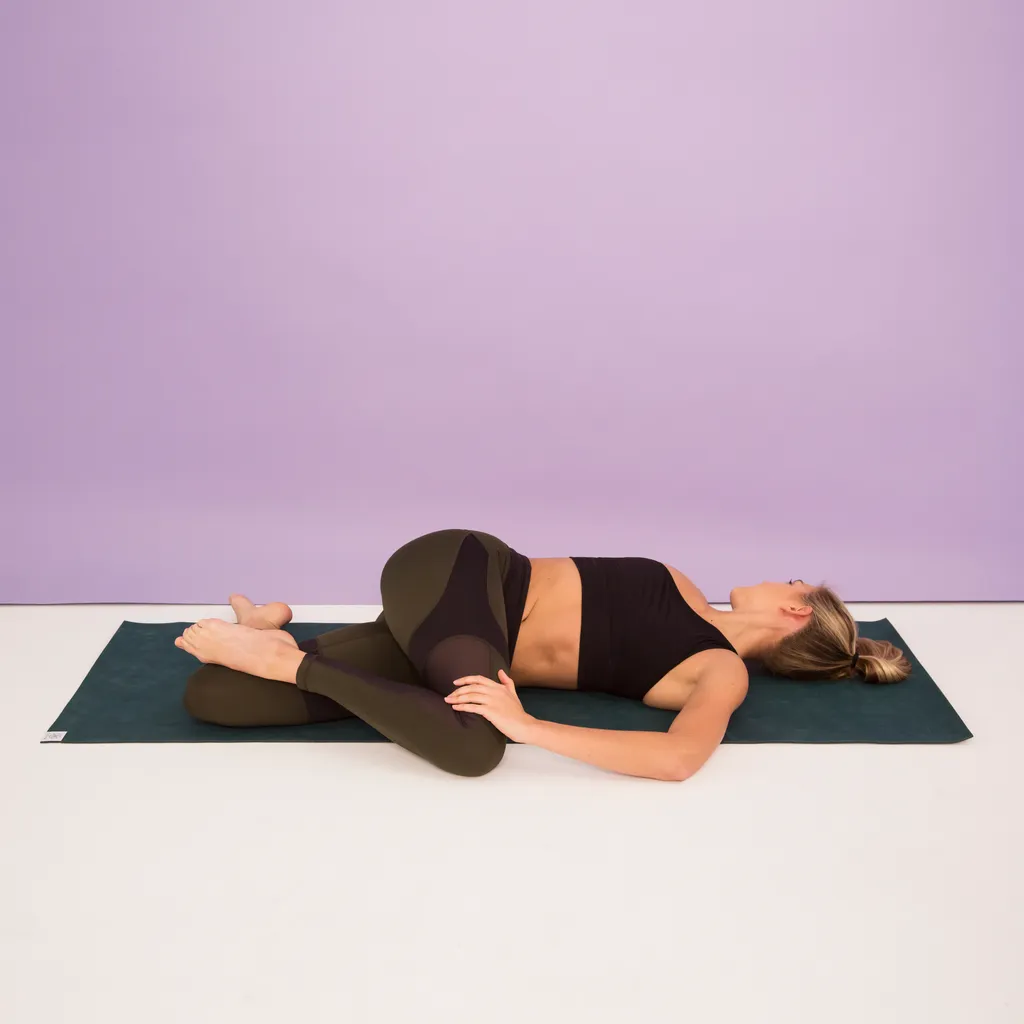
Lying on your back, gently pull one knee up toward your chest, keeping the other leg either bent with the foot flat on the floor or extended straight, whichever feels more comfortable for your lower back. Hold for 15–20 seconds before switching legs, or bring both knees in together for a slightly deeper stretch through the lower back.
Simple Stretches for Office Workers
If you spend most of your day at a desk, tension tends to accumulate quietly in the same few areas — the neck, shoulders, hips, and wrists. A short stretching break every hour or two can make a noticeable difference by the end of the week, without needing to leave your desk for long.
Neck and Shoulder Stretch
Combine the neck side stretch and shoulder rolls described earlier into a quick 60–90 second routine you can repeat every hour or two. Doing this consistently throughout the workday prevents tension from building up gradually into the kind of stiffness that’s much harder to release by the evening.
Wrist and Forearm Stretch
Extend one arm forward with your palm facing up, then use your other hand to gently pull your fingers back toward you, feeling a stretch through the inside of the forearm. Repeat with your palm facing down to stretch the opposite side. This is especially helpful for anyone who types or uses a mouse for extended periods.
Seated Hip Stretch
While still seated, use the figure-four stretch described in the lower body section above as a quick reset for your hips, which tend to tighten significantly from sitting for hours at a time without much movement.
Standing Back Stretch
Stand up, place your hands gently on your lower back with fingers pointing downward, and lean back slightly while keeping your knees soft. This counters the forward-leaning posture that builds up from sitting and typing, and only takes a few seconds to do between tasks or meetings.
Leg and Calf Stretch
Stand up and briefly stretch your calves using the technique described earlier, especially if you’ve been sitting with your feet flat and still for long periods. Even a short walk to refill a water bottle combined with a quick calf stretch can help maintain circulation throughout a long desk-bound day.
Simple Stretches for Active People
If you exercise regularly, how and when you stretch can support both performance and recovery. Stretching before and after activity serves slightly different purposes, and understanding that difference helps you get more benefit from each session.
Pre-Activity Mobility Stretches
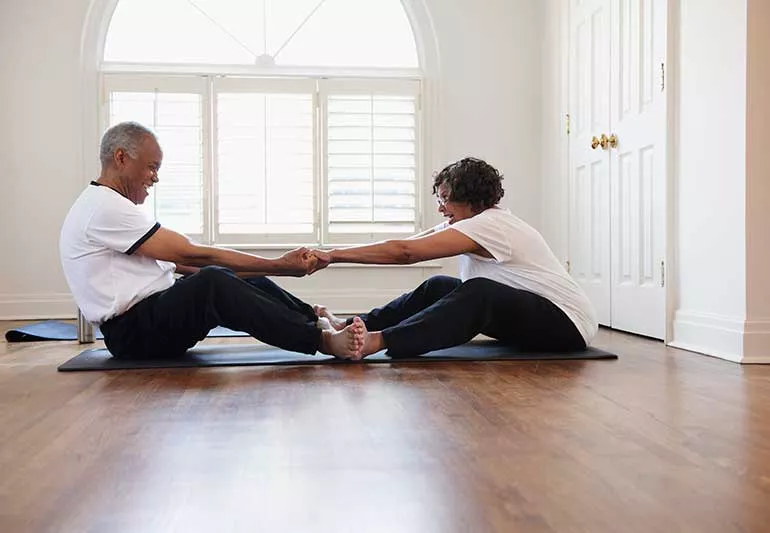
Before exercise, favor light, dynamic movements such as leg swings, arm circles, and gentle walking lunges rather than long, deep static holds. Dynamic movement raises your body temperature and prepares muscles for activity without over-relaxing them right before you need them to perform.
Post-Activity Gentle Stretches
After activity, static stretches — like the hamstring, quadriceps, and calf stretches described earlier — are more appropriate, since your muscles are already warm and you’re looking to help them cool down and lengthen gradually rather than prepare for more exertion.
Hip and Leg Mobility
The hip flexor and figure-four stretches described above are especially useful for runners, cyclists, and anyone doing lower-body focused training, since these activities tend to shorten the hip flexors and glutes over time if left unaddressed.
Shoulder and Upper Body Mobility
For upper-body focused training — weightlifting, swimming, or racquet sports — the cross-body and chest stretches from the upper body section help maintain shoulder mobility and reduce the risk of tightness restricting your range of motion over time.
How Often Should You Stretch Between Massage Sessions?
Consistency generally matters more than intensity when it comes to stretching. A short daily routine tends to be far more effective at maintaining flexibility than one long, occasional stretching session once a week.
Daily Stretching
Just 5–10 minutes a day of gentle stretching, covering a few key areas like the neck, shoulders, hips, and hamstrings, is usually enough to help maintain the flexibility gained from your last massage without requiring a major time commitment.
Stretching After Long Periods of Sitting
Whenever you notice you’ve been sitting for an extended stretch of time — during a long meeting, a flight, or a movie — a brief stretch break afterward helps prevent stiffness from settling in before it has a chance to build up further.
Stretching on Rest Days
On days when you’re not exercising, gentle stretching still plays a useful role in keeping muscles from tightening up from relative inactivity, and it can be a nice, low-effort way to stay connected to movement even on a slower day.
Creating a Simple Weekly Routine
A simple approach many people find sustainable is pairing a few upper body stretches in the morning with lower body and back stretches in the evening, adjusting the focus based on how your body feels that day — tighter shoulders after a stressful day, tighter hips after a long drive, and so on.
Stretching Before vs. After a Massage
Timing your stretching around your massage appointment can make both the session itself and the days that follow feel noticeably more comfortable.
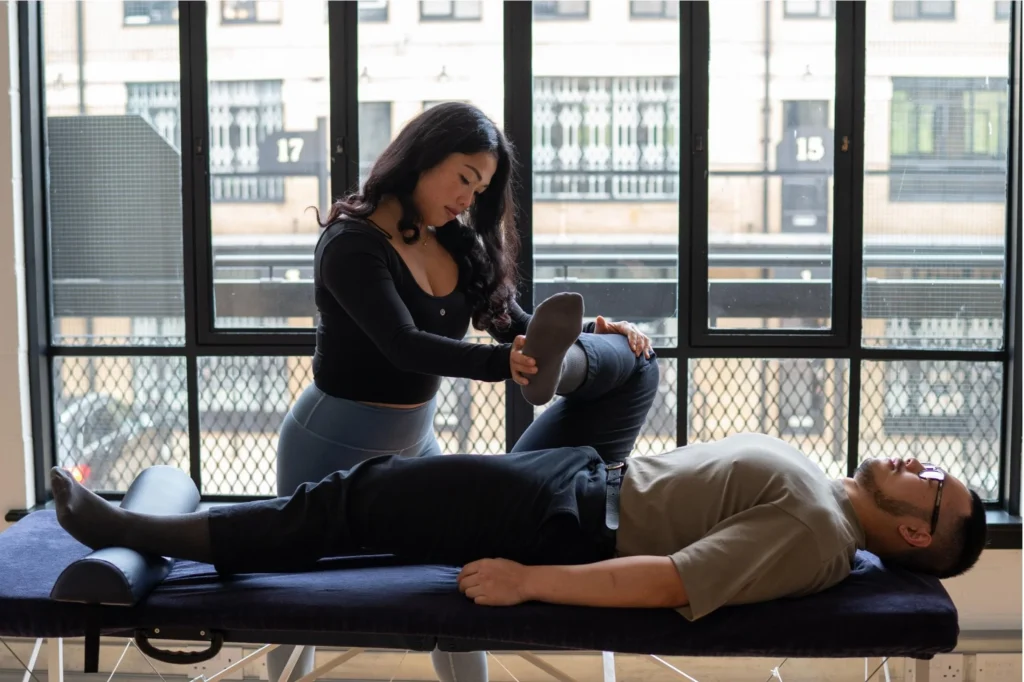
Stretching Before a Massage
Light stretching before your appointment can help you ease into the session feeling a little looser and more relaxed, though it’s not required — your therapist is fully equipped to work through tightness whether or not you’ve stretched beforehand.
Stretching After a Massage
Gentle stretching in the hours or day after a massage can help maintain the loosened, relaxed feeling in your muscles for longer, reinforcing the work your therapist just did rather than letting your body immediately settle back into old patterns.
When to Keep Stretching Gentle
Right after a massage, it’s best to keep stretches light and slow rather than pushing for a deep or intense stretch. Your muscles are relaxed and more receptive immediately afterward, but that doesn’t mean they’re primed for maximum-effort stretching — gentle movement is more appropriate at this stage.
Combining Stretching With Regular Massage
Stretching and massage complement each other well, with each supporting a slightly different part of how your body recovers, relaxes, and stays flexible over time.
Stretching for Relaxation
Slow, mindful stretching between sessions helps keep your nervous system calm day to day, extending the sense of relaxation you feel after a massage like the ones described in our guide to the benefits of traditional Thai massage, where relaxation is one of the central outcomes people notice most.
Stretching for Flexibility
Regular stretching builds directly on the flexibility gains from massage, which can be especially noticeable if you already enjoy the assisted stretching techniques used during a traditional Thai massage session, since your own stretching routine reinforces that same range of motion between visits.
Stretching for Muscle Recovery
Gentle movement between sessions supports circulation and helps muscles recover from both everyday activity and the deeper work done during a massage, making your next session feel like it’s building on a better starting point rather than starting from scratch each time.
Maintaining Results Between Sessions
If you’re unsure how often you should be booking sessions in the first place, our guide on how often you should get a massage can help you build a schedule that works well alongside a consistent stretching habit.
When to Avoid Certain Stretches
Stretching is generally safe for most people, but there are specific situations where it’s worth being more cautious or checking with a professional before continuing.
Recent Injuries
Avoid stretching an area with a recent strain, sprain, or other injury until it has had adequate time to heal, or until you’ve been cleared to do so by a doctor or physiotherapist. Stretching an injury too early can slow healing or make the injury worse.
Severe or Unexplained Pain
Pain that is persistent, severe, or doesn’t have an obvious cause shouldn’t simply be stretched through in the hope that it goes away. It’s worth having this kind of pain properly looked at rather than continuing to push through discomfort during your stretching routine.
Joint Problems
If you have a known joint condition — such as arthritis or a previous joint injury — certain stretches may need to be modified, done more gently, or avoided altogether depending on the joint involved and your specific situation.
When to Seek Professional Advice
If you’re ever unsure whether a particular stretch is appropriate for you, a doctor, physiotherapist, or your massage therapist can offer guidance tailored to your body, your activity level, and any conditions you may already be managing.
Frequently Asked Questions
How often should I stretch between massage sessions?
A short daily stretching routine of around 5–10 minutes is generally enough to maintain flexibility between sessions, focusing on whichever areas tend to feel tightest for you.
Should I stretch before or after a massage?
Both can be beneficial — light stretching before your appointment can help you ease in, while gentle stretching afterward can help extend the relaxed, loosened feeling for longer.
Can stretching help with muscle stiffness?
Yes, regular gentle stretching helps prevent stiffness from gradually building up between massage sessions, especially for people who sit for long periods or do repetitive movement throughout the day.
What are the best stretches for office workers?
Neck, shoulder, wrist, and hip stretches done briefly throughout the day tend to be the most helpful for people who sit at a desk for long hours, since these are the areas that typically tighten the most.
What stretches are good after a Thai massage?
Gentle full-body stretches — such as cat-cow, child’s pose, and standing hamstring stretches — pair well with the deep stretching already done during a traditional Thai massage session, helping maintain that range of motion afterward.
Can I stretch every day?
Yes, gentle stretching is generally safe to do daily, as long as you’re listening to your body and avoiding pushing into sharp pain.
How long should I hold each stretch?
Most of the stretches described here can be held for about 15–30 seconds, repeated on both sides where applicable, without needing to hold any single position for much longer than that.
Should stretching hurt?
No — a stretch should feel like gentle tension or mild discomfort, not sharp or shooting pain. If a stretch hurts in that way, it’s a sign to ease off immediately.
Can stretching replace massage?
Stretching and massage offer different, complementary benefits, and they generally work best together rather than as a substitute for one another.
How can I combine stretching and massage?
A simple approach is to use daily stretching to maintain flexibility and manage everyday tension between visits, while letting your regular massage sessions address deeper, more stubborn tightness and support overall relaxation.
Final Thoughts: Keep Your Body Moving Between Massage Sessions
A few minutes of simple, consistent stretching each day can go a long way toward keeping the results of your massage feeling fresh well after you’ve left the treatment room. Pairing a steady stretching routine with regular sessions is one of the most effective ways to stay flexible, relaxed, and comfortable in your everyday life — and if you’re comparing techniques or wondering which style suits you best, our comparison of Thai massage vs. Swedish massage can help you choose your next session.