
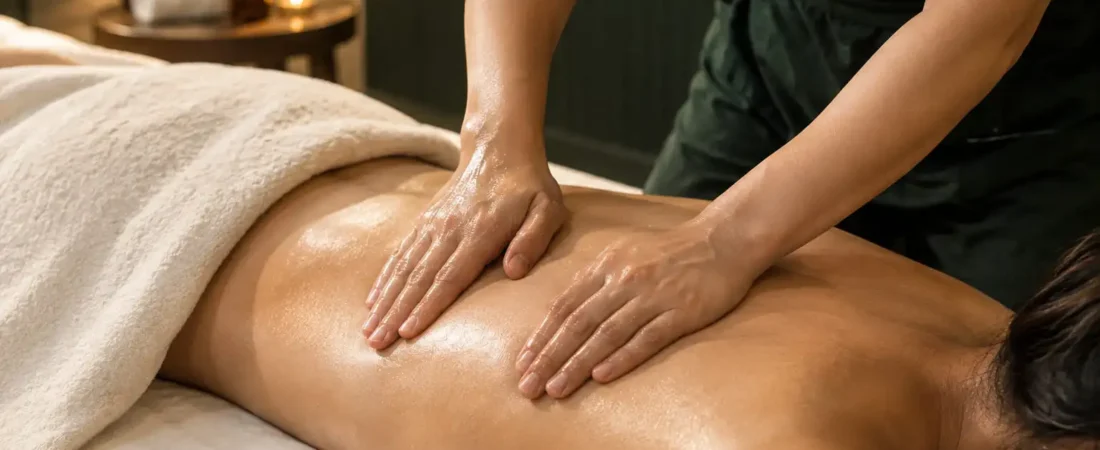
One of the most common questions people ask before booking a session is simple: how often should you actually get a massage? The answer depends on your goals, lifestyle, and how your body responds to treatment. Someone seeking occasional relaxation has very different needs from an athlete in intense training or an office worker dealing with chronic neck tension.
In this guide, we’ll break down massage frequency by goal, activity level, and massage type, so you can build a routine that actually works for you — rather than guessing and hoping for the best.
How Often Should You Get a Massage?
General Massage Frequency Guidelines
As a general starting point, most people benefit from a massage every two to four weeks. This frequency is often enough to manage everyday tension without overdoing it, though the right interval ultimately depends on your specific needs.
Factors That Affect How Often You Need a Massage
Several factors influence how often you should book a session, including your activity level, stress levels, existing muscle tension, sleep quality, and whether you’re targeting a specific issue or simply maintaining general wellness.
Occasional vs Regular Massage
Occasional massage — once every month or two — works well for general relaxation and stress relief. Regular massage, on the other hand, is better suited for ongoing issues like chronic tension, recovery from physical activity, or ongoing mobility support.
How Often Should You Get a Massage for Relaxation?

Once a Month
For general stress relief and relaxation without a specific physical complaint, a monthly massage is often sufficient to maintain a sense of calm and physical ease.
Every Two to Four Weeks
If you find that relaxation benefits fade quickly, or if your daily life involves consistent low-level stress, shortening the interval to every two to four weeks can help sustain those benefits longer.
During Periods of High Stress
During particularly demanding periods — a busy work project, travel, or major life changes — increasing frequency temporarily can provide extra support until things settle down.
How Often Should You Get a Massage for Muscle Tension?
Weekly Massage
For significant, persistent muscle tension, especially in the neck, shoulders, or lower back, weekly sessions for a short period can help address the issue more directly before shifting to a maintenance schedule.
Every Two Weeks
Once initial tension has eased, moving to a biweekly schedule often helps maintain progress without requiring the same intensity of treatment.
Monthly Maintenance
After tension has been brought under control, a monthly massage is often enough to prevent it from building back up, particularly when combined with good posture habits and regular movement.
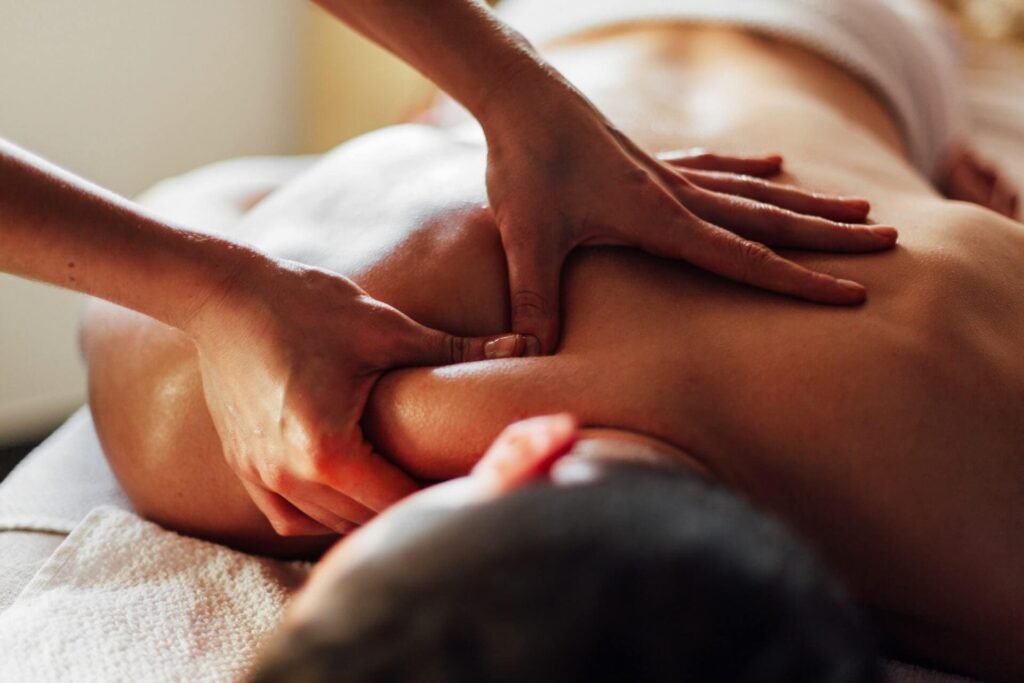
How Often Should You Get a Massage for Sports and Physical Activity?
Before an Event
A lighter massage a day or two before a competition or major physical event can help the body feel loose and prepared without leaving muscles overly fatigued.
After Intense Training
Following intense exercise, a massage can support muscle recovery and help reduce the buildup of tension from repeated strain, particularly in commonly overworked muscle groups.
During Regular Training
Athletes in consistent training cycles often benefit from a massage every one to two weeks to help manage ongoing muscle fatigue and maintain flexibility.
Recovery and Maintenance Sessions
Outside of intense training blocks, a monthly session can help maintain the gains achieved through more frequent recovery-focused massage.
How Often Should You Get a Massage for Office Work?
Neck and Shoulder Tension
Hours spent looking at a screen often lead to tightness in the neck and shoulders. Addressing this with a massage every two to three weeks can help prevent chronic stiffness from setting in.
Lower Back Stiffness
Sitting for extended periods can also affect the lower back. Regular sessions, combined with movement breaks throughout the day, can help ease this common source of discomfort.
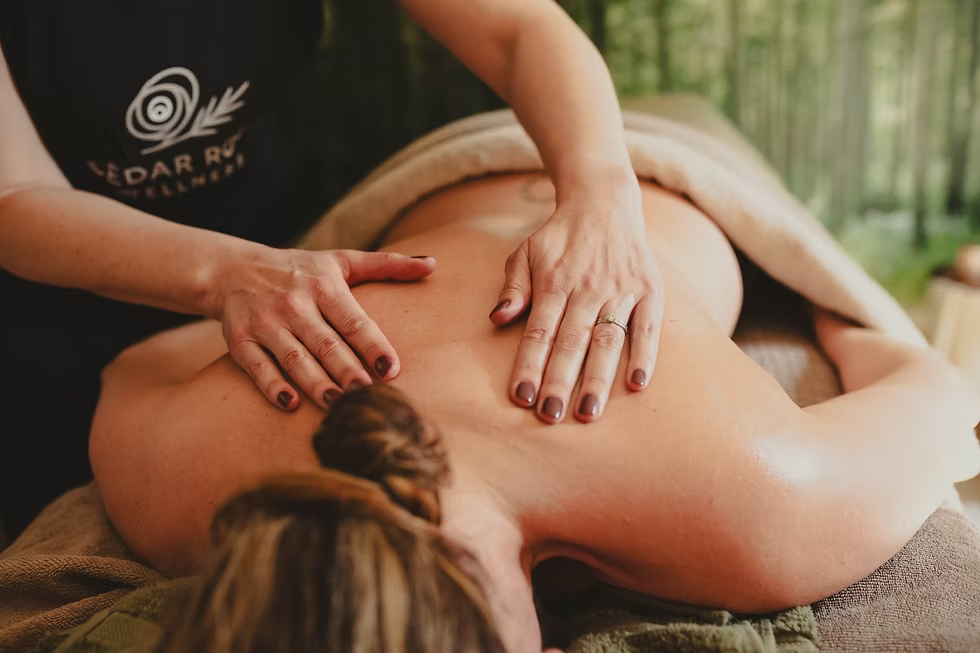
Long Hours at a Desk
The more hours spent seated without breaks, the more likely tension is to accumulate — making a consistent massage schedule especially valuable for those with demanding desk jobs.
Preventive Massage Routine
Rather than waiting for pain to become significant, many office workers find it helpful to treat massage as a preventive habit, booking sessions on a set schedule regardless of how they currently feel.
How Often Should You Get Different Types of Massage?
Thai Massage
Traditional Thai massage is often enjoyed every two to four weeks, offering a balance of flexibility support, tension relief, and relaxation. Read more in our guide to the benefits of traditional Thai massage.
Swedish Massage
Given its gentler, relaxation-focused approach, Swedish massage can be enjoyed slightly more often, with some people booking sessions every two to three weeks.
Deep Tissue Massage
Because deep tissue massage targets deeper muscle layers with more intense pressure, allowing two to four weeks between sessions gives muscles time to recover fully.
Sports Massage
Frequency for sports massage often aligns with training schedules, ranging from weekly during intense periods to monthly during lighter training phases.
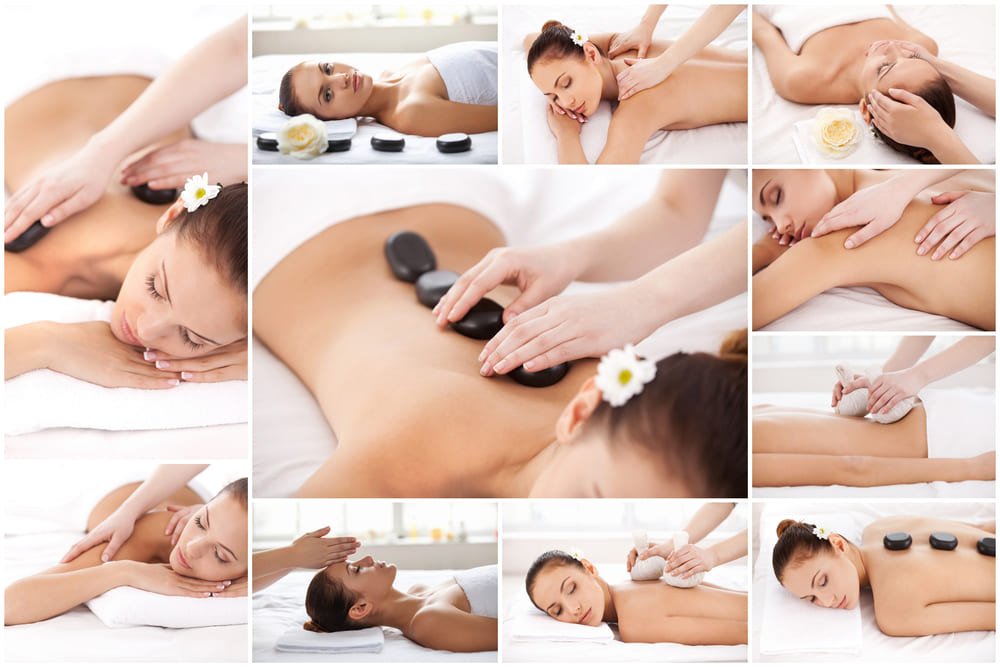
Hot Stone Massage
As a relaxation-focused treatment, hot stone massage is typically booked every three to four weeks, similar to general relaxation massage.
Aromatherapy Massage
Aromatherapy massage is gentle enough to enjoy every two to four weeks, particularly for those using it as part of a broader stress-management routine.
Foot Massage
Foot massage can be enjoyed more frequently, even weekly, since it’s typically lower-impact and focuses on a smaller, highly responsive area of the body.
Signs You May Need a Massage
Persistent Muscle Tension
If certain muscles consistently feel tight regardless of stretching or rest, it may be a sign that a more targeted massage session is needed.
Limited Flexibility
Noticing reduced range of motion in the shoulders, hips, or neck can indicate that muscle tightness is affecting your everyday movement.
Stress and Mental Fatigue
Feeling mentally drained or unable to relax, even during downtime, is often a sign the body could benefit from the calming effects of massage.

Muscle Soreness After Physical Activity
Lingering soreness that doesn’t fully resolve with rest may respond well to massage, which can help support the body’s natural recovery process.
Poor Relaxation or Sleep Routine
Difficulty winding down at the end of the day can sometimes be eased through the relaxation benefits associated with regular massage.
Can You Get a Massage Too Often?
Signs of Over-Massage
While massage is generally safe, getting sessions too frequently without adequate recovery time can sometimes lead to increased soreness or fatigue rather than relief.
Muscle Soreness After Treatment
Some mild soreness after a massage, particularly deep tissue work, is normal. However, if soreness consistently lingers for several days, it may be worth spacing out sessions further.
Allowing Enough Recovery Time
Just like with exercise, muscles need time to recover between sessions. Giving your body adequate rest between massages allows it to fully benefit from each treatment.
Adjusting Massage Pressure and Frequency
If you’re booking sessions frequently, communicating with your therapist about pressure levels can help ensure your schedule remains beneficial rather than counterproductive.
How Long Should You Wait Between Massages?
Light Relaxation Massage
For gentle, relaxation-focused massage, waiting one to two weeks between sessions is generally comfortable for most people.
Deep Tissue Massage
Given the more intense pressure involved, allowing two to four weeks between deep tissue sessions gives muscles adequate time to recover.
Sports Massage
Timing between sports massage sessions often depends on training intensity, ranging from a few days during heavy training to several weeks during lighter periods.
Thai Massage
Thai massage can typically be enjoyed every two to four weeks, allowing the body to fully benefit from the stretching and pressure techniques involved.
Massage After Intense Exercise
After a particularly intense workout or event, waiting at least 24 to 48 hours before a massage allows initial muscle inflammation to settle before treatment.
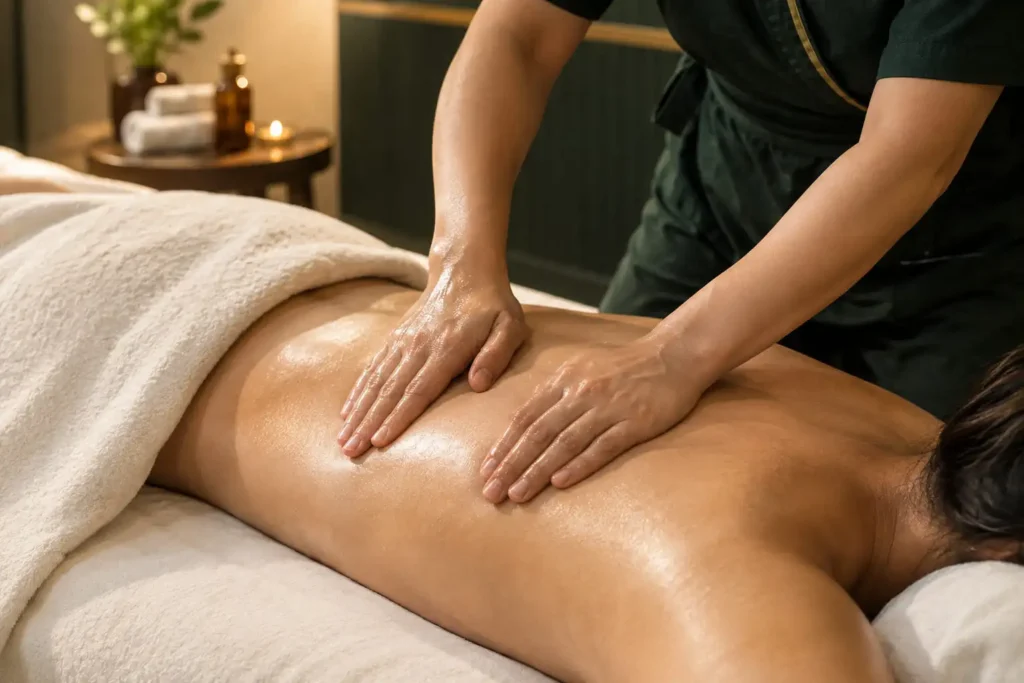
How to Create a Massage Routine
Identify Your Main Goal
Start by identifying whether your primary goal is relaxation, muscle tension relief, athletic recovery, or general wellness maintenance, as this will shape your ideal frequency.
Choose the Right Massage Type
Different massage styles suit different goals — matching the technique to your needs ensures you get the most benefit from each session.
Set a Realistic Schedule
Choose a frequency that realistically fits your schedule and budget, since consistency matters more than intensity when building a long-term routine.
Adjust Based on How Your Body Responds
Pay attention to how your body feels in the days following each session, and adjust your frequency up or down based on those results.
Tips for Getting the Most From Regular Massage
Stay Hydrated
Drinking water before and after each session supports circulation and helps your body respond well to the massage techniques used.
Communicate With Your Therapist
Letting your therapist know about areas of tension, pressure preferences, and how previous sessions felt helps them tailor each treatment to your needs.
Combine Massage With Stretching
Pairing massage with regular stretching can help extend the benefits of each session, particularly for flexibility and muscle tension relief.
Maintain Regular Physical Activity
Staying active between sessions supports overall muscle health, complementing the benefits gained through massage therapy.
Allow Time to Rest
Giving yourself time to relax after a session, rather than rushing back into a demanding schedule, helps your body fully absorb the benefits of the treatment.
When to Talk to a Healthcare Professional Before Massage
Existing Medical Conditions
If you have any chronic health conditions, it’s a good idea to check with a healthcare provider before starting a regular massage routine.
Recent Injuries
Recent injuries should generally be assessed by a medical professional before receiving massage in the affected area.
Severe or Unexplained Pain
Persistent or unexplained pain is best evaluated by a doctor first, rather than addressed through massage alone.
Pregnancy and Special Circumstances
Pregnant individuals or those with other special health circumstances should consult a healthcare provider to determine what type of massage, if any, is appropriate.
Frequently Asked Questions
Is it okay to get a massage every week?
Yes, for many people weekly massage is safe, particularly for relaxation-focused treatments or during periods of intense muscle tension or athletic training.
Is once a month enough for a massage?
For general relaxation and maintenance, once a month is often enough for most people to feel the benefits without needing more frequent sessions.
Can I get a massage twice a week?
Twice a week can work for specific short-term goals, such as recovering from intense training, but it’s best to monitor how your body responds and adjust accordingly.
How often should I get a deep tissue massage?
Deep tissue massage is typically spaced two to four weeks apart, allowing muscles adequate time to recover from the more intense pressure involved.
How often should I get a Thai massage?
Most people enjoy traditional Thai massage every two to four weeks, though this can be adjusted based on personal goals and how your body feels.
How often should athletes get a massage?
Athletes often benefit from massage weekly to biweekly during intense training periods, shifting to monthly maintenance sessions during lighter training phases.
How often should I get a massage for stress?
For stress relief, sessions every two to four weeks are generally effective, with more frequent sessions during particularly stressful periods.
Can you get a massage too often?
Yes, without adequate recovery time between sessions, frequent massage can sometimes lead to increased soreness rather than added benefit.
How long should I wait between massages?
This varies by massage type, ranging from one week for light relaxation massage to up to four weeks for deep tissue or intense sports massage.
What is the best massage schedule for beginners?
Starting with a session every three to four weeks allows beginners to gauge how their body responds before adjusting frequency based on personal needs.
Final Thoughts: Finding the Right Massage Frequency
There’s no single “correct” massage frequency that works for everyone — the right schedule depends on your goals, lifestyle, and how your body responds over time. Whether you’re seeking occasional relaxation or ongoing support for muscle tension and mobility, building a consistent routine tailored to your needs is the key to getting the most out of every session.
Ready to find your ideal massage routine? Book a session with Thai Massage Bahrain on WhatsApp and let our therapists help you build a schedule that fits your lifestyle.