
Life in Bahrain moves quickly — between work, family, travel, and the general pace of city life, it’s easy for relaxation to slip further and further down the priority list. Building a calm routine doesn’t have to mean a complete lifestyle overhaul, though. With a few simple, realistic habits woven into your week, it’s possible to create a rhythm of rest and relaxation that fits naturally around your schedule. This guide walks through what a calm routine can look like, the role massage plays in it, and how to keep it going long-term.
Why Create a Calm Routine in Bahrain?
Between demanding work schedules, family responsibilities, and the general busyness of daily life, stress can build up quietly until it becomes difficult to ignore. A calm routine gives your body and mind a reliable way to reset regularly, rather than waiting until things feel overwhelming.
Balancing Work and Daily Responsibilities
Many people in Bahrain juggle demanding jobs alongside family responsibilities, errands, and social commitments, leaving little natural space for rest. A calm routine helps carve out that space deliberately, rather than hoping free time will simply appear on its own at the end of a long day.
Managing Stress in a Busy Lifestyle
Stress tends to accumulate gradually through small, everyday pressures rather than one single overwhelming event. Having a consistent routine that includes regular moments of relaxation helps manage that gradual build-up before it turns into something more difficult to unwind from.
Making Time for Yourself
It’s easy to let personal time be the first thing sacrificed when a schedule gets busy, but consistently deprioritizing yourself tends to catch up eventually. Treating relaxation as a genuine part of your routine, rather than an occasional luxury, makes it far more likely to actually happen.
Turning Relaxation Into a Regular Habit
A calm routine works best when relaxation becomes a habit rather than something you only think about when you’re already feeling stressed. Building small, repeatable practices into your week — rather than relying on occasional bursts of self-care — creates a more consistent sense of balance over time.
What Does a Calm Routine Look Like?
A calm routine doesn’t need to be elaborate. It’s simply a set of small, intentional habits spread throughout your day that help you feel more grounded and less reactive to stress.
Starting the Day Slowly
Rushing straight into a busy day the moment you wake up can set a stressed tone before you’ve even left the house. Even a few extra minutes in the morning — enjoying a quiet coffee, stretching gently, or simply avoiding your phone for the first ten minutes — can help you start the day feeling more settled.
Taking Short Relaxation Breaks
Brief pauses throughout the day, even just a few minutes at a time, give your mind and body a chance to reset before stress has a chance to build up further. These breaks don’t need to be long to be effective — the key is doing them consistently rather than only when you remember.
Staying Active
Movement, whether it’s a proper workout or simply a walk during a break, plays a meaningful role in managing stress and supporting overall wellbeing. Staying active doesn’t need to be intense to be worthwhile — consistency matters more than intensity when it comes to supporting a calm state of mind.

Creating Time for Rest
Genuine rest — not just being off work, but actually allowing yourself to slow down — is an essential part of any calm routine. This might mean protecting a portion of your evening for unstructured downtime, rather than filling every spare moment with tasks or obligations.
Ending the Day With a Calming Routine
How you end your day has a noticeable effect on how well you rest overnight. A simple wind-down routine — dimming lights, avoiding screens, or doing some light stretching — signals to your body that it’s time to shift out of “busy mode” and into rest.
Simple Ways to Relax During a Busy Day
Even on the busiest days, there are small, practical ways to bring a little relaxation into your schedule without needing extra time you don’t have.
Deep Breathing
A few slow, deep breaths can have a surprisingly quick calming effect, especially during moments of stress or tension. This technique requires no equipment and can be done almost anywhere, making it one of the easiest relaxation tools to build into a busy day.
Gentle Stretching
Short stretching breaks throughout the day help release physical tension that tends to build up from sitting, stress, or repetitive movement. Even a minute or two of gentle stretching between tasks can make a noticeable difference by the end of the day.
Short Walking Breaks
Stepping away from your desk or usual environment for a short walk — even just around the office or block — gives your mind a brief reset and can help clear mental fatigue before returning to work.

Limiting Screen Time
Constant notifications and screen time throughout the day can keep your mind in a heightened, reactive state without you fully realizing it. Setting small boundaries, like avoiding your phone during meals or breaks, can help create more genuine moments of rest.
Creating a Comfortable Environment
Simple adjustments to your immediate environment — better lighting, a tidier desk, a more comfortable chair — can make it easier to feel calm throughout the day, even without changing anything else about your schedule.
The Role of Massage in a Calm Routine
Massage is one of the most effective tools for supporting a calm routine, offering both physical relief and a dedicated block of time set aside purely for relaxation.
Massage for Relaxation
Beyond any physical benefits, the simple act of setting aside time for a massage gives your mind permission to slow down, often more effectively than trying to relax at home amid everyday distractions.
Massage for Muscle Tension
Physical tension and mental stress are closely connected, and addressing one often helps the other. Regular massage can ease the muscle tightness that builds up from stress, long work hours, or poor posture, contributing to an overall greater sense of ease.
Choosing the Right Massage Style
Different massage styles offer slightly different experiences, so choosing one that matches what you’re looking for — whether that’s deep relaxation, muscle relief, or something in between — makes your routine more effective. Our comparison of Thai massage vs. Swedish massage can help you decide which style fits your calm routine best.
Creating a Regular Massage Schedule
Rather than booking massage only when stress feels overwhelming, building it into a regular schedule helps maintain a more consistent baseline of relaxation and physical comfort throughout the month.
Massage Options for a Relaxing Routine
There are several massage styles worth considering as part of a calm routine, each offering a slightly different focus and experience.
Thai Massage
Traditional Thai massage combines pressure, stretching, and rhythmic movement, making it a well-rounded option for people looking for both relaxation and improved flexibility. Our guide to the benefits of traditional Thai massage covers this in more detail if you’re considering it for your routine.
Swedish Massage
Swedish massage uses long, gliding strokes and is generally considered a gentler, more purely relaxing option, making it a good fit for people who prefer a softer touch during their sessions.
Hot Stone Massage
Hot stone massage uses heated stones alongside massage techniques to help warm and relax the muscles, offering a similarly soothing warmth to other heat-based treatments while incorporating a slightly different technique.
Foot Massage
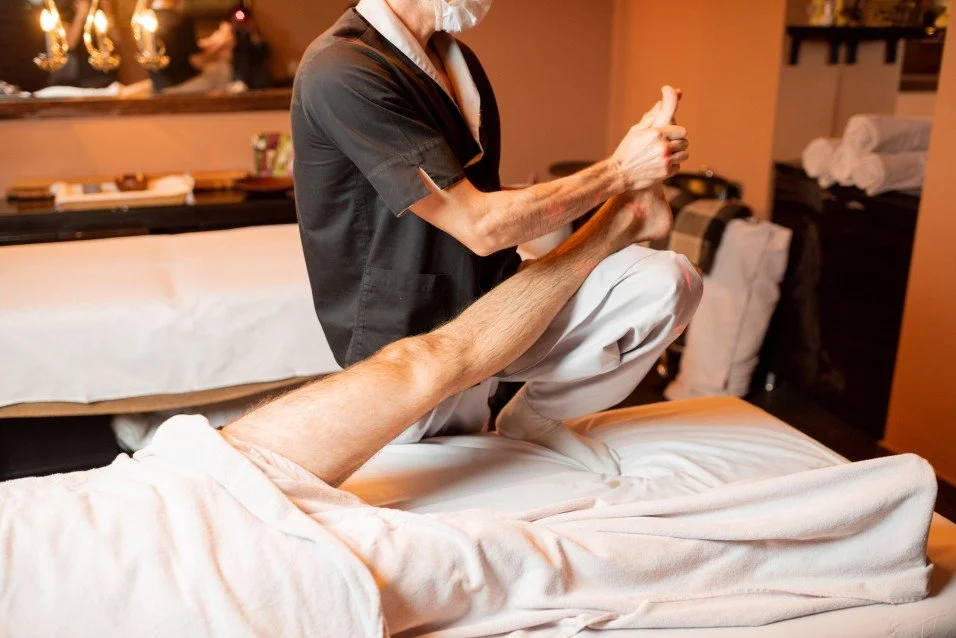
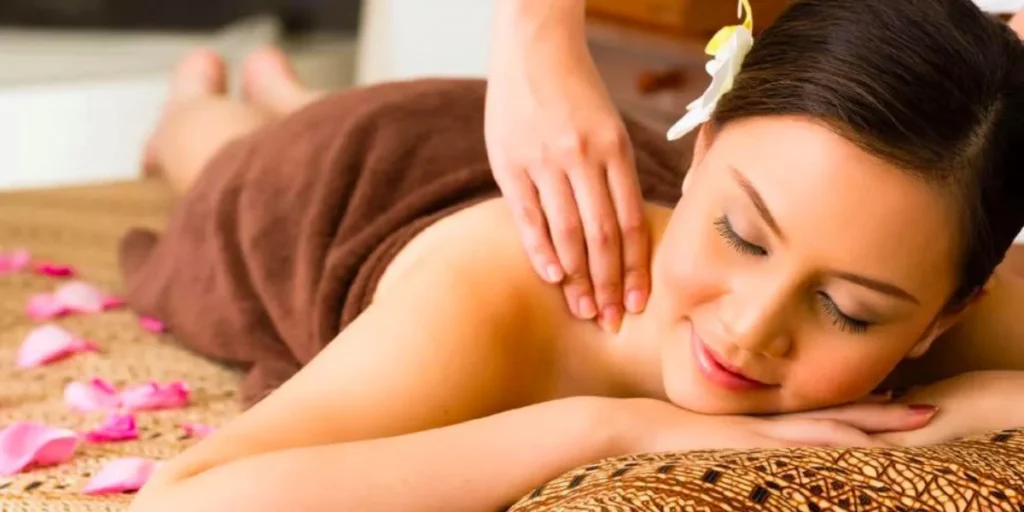
A dedicated foot massage can be a particularly quick and effective way to relax, especially for people who spend long hours on their feet throughout the day or week.
Head and Shoulder Massage
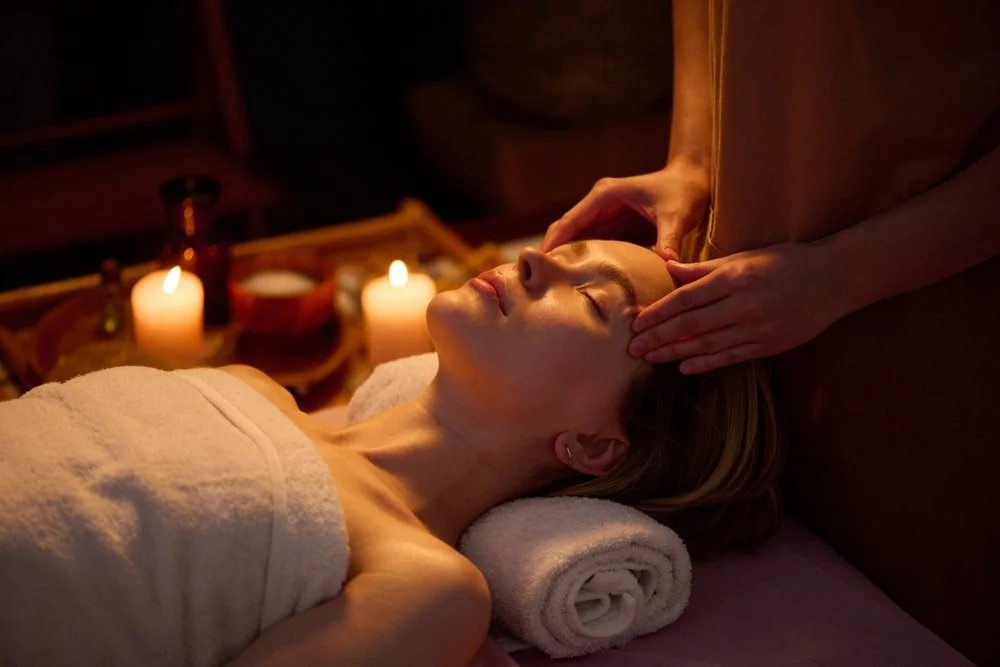
Focusing specifically on the head, neck, and shoulders can be an efficient option when time is limited, targeting some of the most common areas where people hold everyday tension.
Creating a Calm Routine Around Your Schedule
A calm routine looks different depending on your lifestyle, so it’s worth shaping yours around your specific circumstances rather than following a generic template.
For Busy Professionals
For those with demanding work schedules, shorter, more frequent relaxation habits — brief stretching breaks, quick walks, occasional massage sessions — tend to be more sustainable than trying to fit in long blocks of downtime.
For Residents
Residents building a long-term routine benefit from consistency — establishing a regular weekly or biweekly rhythm that becomes a natural, expected part of life rather than something that needs to be re-decided each time.
For Tourists
For visitors exploring Bahrain, working relaxation into a trip can mean booking a massage session between sightseeing days, offering a comfortable way to recover from travel and busy days out.
For Business Travelers
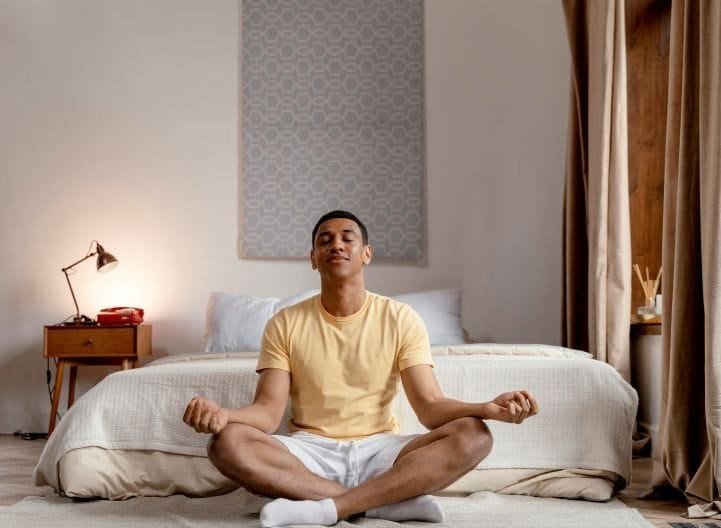
Business travelers often deal with tight schedules and jet lag, making a single well-timed massage session a practical way to reset before or after important meetings.
For Couples
For couples, sharing a relaxation routine — such as booking sessions together — can turn self-care into a shared, enjoyable experience rather than something done separately.
Building a Weekly Relaxation Routine
A weekly structure gives your calm routine a reliable rhythm, combining small daily habits with occasional dedicated sessions.
Daily Relaxation Habits
Small daily habits — a few minutes of stretching, short breaks, or a calming evening routine — form the foundation of a sustainable calm routine, requiring little time but offering consistent benefit.
Weekly Massage Sessions
Adding a regular massage session into your week or month gives your routine a dedicated, deeper form of relaxation to look forward to. If you’re unsure how frequently to schedule these, our guide on how often you should get a massage offers helpful guidance based on your goals and lifestyle.
Stretching Between Sessions
Simple stretching in the days between massage sessions helps maintain flexibility and prevent tension from building back up too quickly. Our guide to simple stretches to practice between massage sessions offers an easy routine you can follow throughout the week.
Planning Rest Days
Setting aside specific days or evenings purely for rest, without a packed schedule of obligations, helps ensure relaxation actually happens rather than being pushed aside by other commitments.
Creating a Relaxing Environment at Home
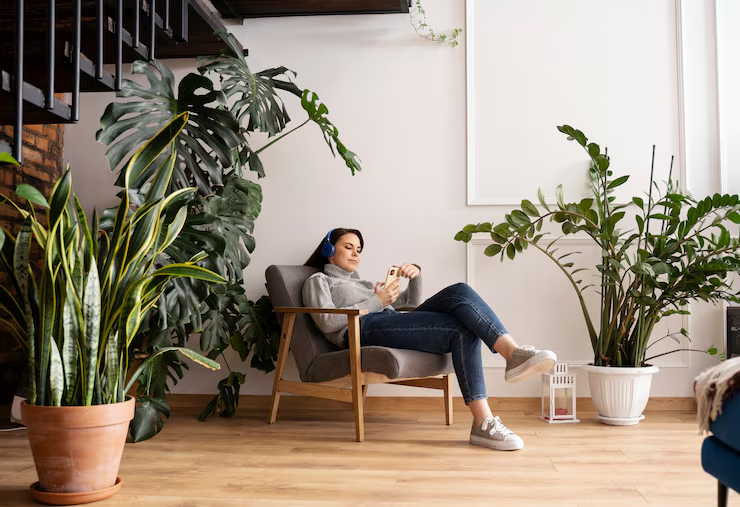
Your immediate surroundings play a meaningful role in how easily you’re able to relax, both after a busy day and as part of your everyday routine.
Choosing a Quiet Space
Having even one designated quiet space at home — free from noise and distraction — gives you a reliable spot to unwind, whether that’s a corner of a room or simply a quiet time of day in a shared space.
Using Comfortable Lighting
Soft, warm lighting in the evening can help signal to your body that it’s time to slow down, compared to bright overhead lighting that tends to keep you feeling more alert.
Playing Calming Music
Quiet background music or gentle sounds can help create a more relaxing atmosphere, especially during wind-down time in the evening or while stretching.
Keeping the Space Comfortable and Clean
A tidy, comfortable space is easier to relax in than a cluttered one, so keeping your relaxation area reasonably organized can make it more inviting to actually use regularly.
How to Maintain Your Calm Routine Long-Term
Building a routine is one thing — keeping it going over months and years is another. A few practical approaches make long-term consistency more realistic.
Start With Small Changes
Trying to adopt an entirely new routine overnight often leads to burnout on the routine itself. Starting with one or two small changes, then building gradually, tends to lead to habits that actually stick.
Keep Your Routine Realistic
A routine that assumes unlimited free time is unlikely to survive contact with a genuinely busy schedule. Keeping expectations realistic, based on your actual lifestyle, makes the routine far more sustainable.
Schedule Relaxation in Advance
Treating relaxation time — including massage appointments — as fixed commitments in your calendar, rather than something to fit in “if there’s time,” makes it much more likely to actually happen consistently.
Adjust Your Routine When Needed
Your routine doesn’t need to stay exactly the same forever. As your schedule or needs change, it’s worth adjusting your relaxation habits accordingly, rather than forcing an outdated routine to fit a different stage of life.
Common Mistakes When Building a Relaxation Routine
A few common pitfalls can make it harder to stick with a calm routine long-term, and being aware of them ahead of time can help you avoid them.
Trying to Change Everything at Once
Attempting to overhaul your entire schedule and habits all at once is often overwhelming and difficult to maintain. Gradual changes tend to be far more sustainable than an ambitious all-at-once approach.
Skipping Rest and Recovery
It’s easy to treat rest as optional when a schedule gets busy, but consistently skipping recovery time tends to make stress and tension build up more quickly over time.
Ignoring Muscle Tension
Physical tension that goes unaddressed for too long can become more difficult to release and may start affecting daily comfort and mobility, making regular attention — through stretching or massage — worthwhile.
Making the Routine Too Complicated
An overly complex routine with too many steps is harder to maintain consistently. Keeping your calm routine simple and realistic makes it far more likely to become a lasting habit rather than something abandoned after a few weeks.
Frequently Asked Questions
How can I create a relaxing routine in Bahrain?
Start with small daily habits like short breaks and gentle stretching, then build in regular massage sessions and a calming evening routine to create a consistent, sustainable rhythm.
How often should I include massage in my routine?
This depends on your personal goals and schedule, though many people find a regular weekly or monthly rhythm works well for maintaining relaxation over time.
What type of massage is best for relaxation?
Both Thai and Swedish massage are commonly chosen for relaxation, though the right choice depends on whether you prefer a gentler touch or a more active, stretch-based approach.
Can stretching help me stay relaxed between massage sessions?
Yes, simple daily stretching helps maintain flexibility and prevents tension from building back up too quickly between sessions.
How can busy professionals make time for relaxation?
Short, frequent habits — brief breaks, quick stretches, and scheduled massage sessions — tend to fit more realistically into a busy professional’s schedule than longer blocks of downtime.
What is a simple evening relaxation routine?
A simple routine might include dimming the lights, avoiding screens, doing some gentle stretching, and allowing time to wind down before bed.
Can massage become part of a weekly wellness routine?
Yes, many people build massage into a regular weekly or biweekly routine alongside daily relaxation habits for a more consistent sense of overall wellbeing.
How long should a relaxation routine last?
There’s no fixed length — a calm routine can include just a few minutes of daily habits alongside occasional longer sessions, adjusted to fit your own schedule and needs.
Final Thoughts: Making Calm a Regular Part of Life
A calm routine doesn’t need to be complicated to be effective — small, consistent habits, paired with regular massage sessions, can make a real difference in how balanced and relaxed you feel day to day. If you’re looking for another way to add warmth and relaxation to your routine, our guide to understanding the rhythms of herbal compress therapy is a great next read.